


As the first rays of morning sun cast a golden glow across the domes and minarets of Istanbul’s Historic Peninsula, a quiet magic takes hold of the air. The gentle sea breeze carries the soft aroma of freshly brewed Turkish coffee and warm simit from street corner carts, blending seamlessly with the rustle of leaves in ancient courtyard gardens. As you step onto the polished cobblestones, you feel an immediate connection to a city where centuries of emperors, sultans, craftspeople, and travelers have walked before you. Few monuments in the world command as much reverence as the grand silhouette dominating this skyline: Hagia Sophia.
Standing before this architectural wonder, with its sweeping rose-tinted walls, massive buttresses, and soaring central dome, is an unforgettable milestone for any cultural traveler. Yet, to truly experience the magic of this iconic sanctuary, one must approach it not merely as a sightseeing spot on a checklist, but as a living testament to human history, artistic genius, and spiritual devotion. Experiencing its majesty in a meaningful way requires a thoughtful blend of historical understanding, cultural mindfulness, and practical preparation.
Understanding the Sacred Intersect of Faiths
To cross the threshold of Hagia Sophia is to step directly into the flow of world history. Originally commissioned in the sixth century by the Byzantine Emperor Justinian I, this monument stood for nearly a millennium as the physical and spiritual heart of Eastern Christendom. When Sultan Mehmed II entered the city in 1453, he marveled at the structural genius of the cathedral and dedicated it as the principal imperial mosque of the Ottoman Empire. Rather than destroying the breathtaking golden mosaics, Ottoman artisans preserved the artistic heritage, covering many sacred images with protective plaster while surrounding the structure with graceful minarets and elegant Islamic features.
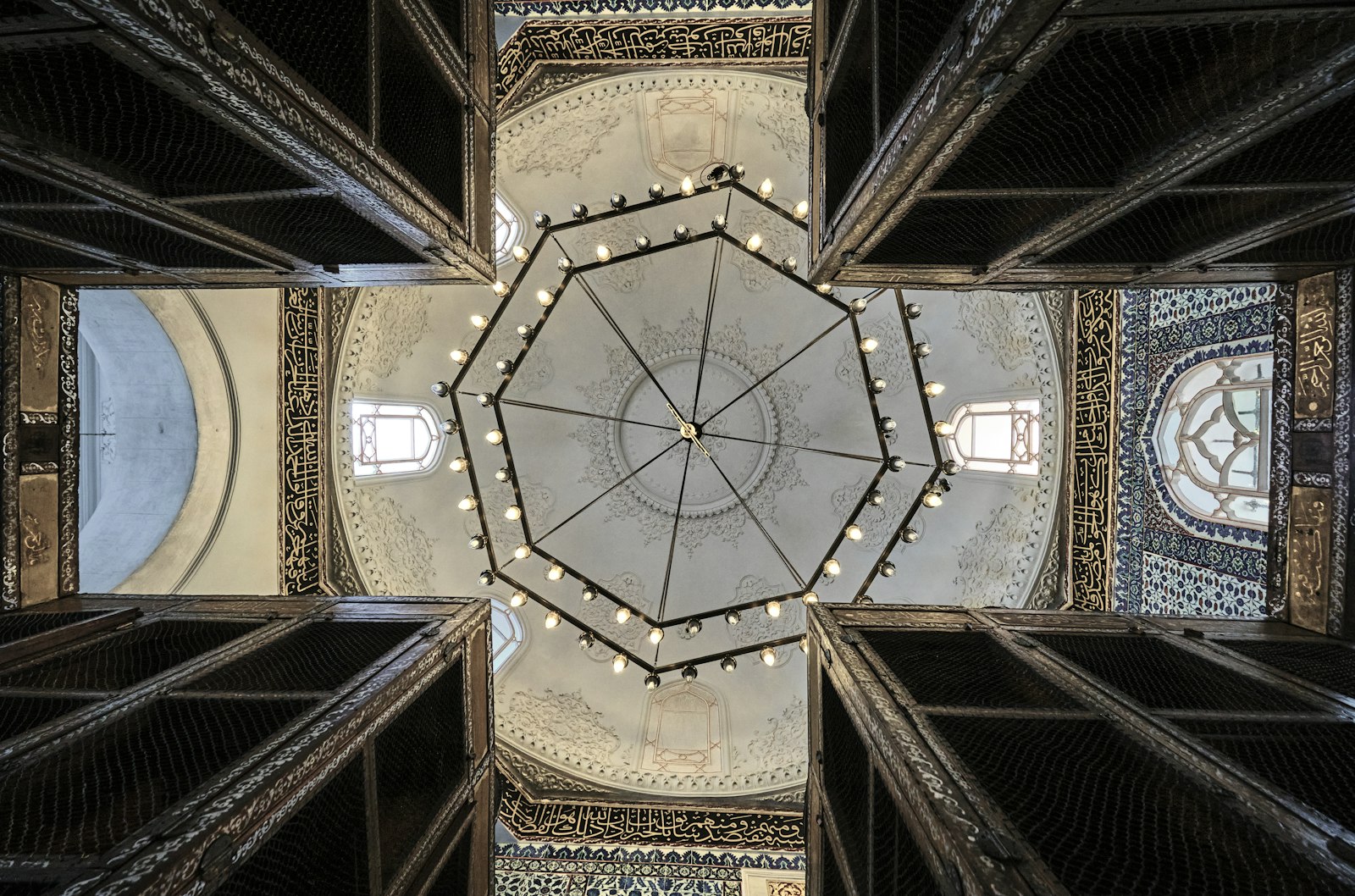
Today, as you gaze upward into the vast nave, you witness a rare and harmonious dialogue between two major world religions. Gilded Byzantine angels look down from the upper arches, while massive black-and-gold calligraphic medallions crafted by master Ottoman artists honor sacred names in Arabic script. When planning your journey around exploring the historic Hagia Sophia, taking the time to appreciate this unique synthesis allows you to view every carved marble column and mosaic tile with deeper reverence. Recognizing that you are standing in a space shaped by centuries of imperial coronations, quiet prayers, and architectural mastery transforms a simple visit into a profound spiritual encounter.
Cultural Etiquette and Proper Dress Code
Because Hagia Sophia remains an active house of worship as well as a cornerstone of global heritage, entering with cultural awareness ensures a peaceful and respectful experience for everyone. Adhering to traditional etiquette honors the sacred nature of the site while allowing you to comfortably immerse yourself in its serene atmosphere.
Attire is one of the most important considerations when visiting. Both men and women should choose modest clothing that covers shoulders and knees. Shorts, sleeveless tops, and short skirts are inappropriate inside the sanctuary. Women are expected to cover their hair prior to entry; carrying a lightweight scarf in your daypack makes this gesture effortless and simple. Upon reaching the carpeted prayer hall, visitors remove their shoes and place them neatly on wooden storage racks, allowing everyone to step softly across the soft carpets inside.
Timing your visit thoughtfully also enhances your experience. Five times a day during call to prayer, active worship spaces are reserved for worshippers. Arriving between prayer times allows for quiet exploration and unhurried observation. Inside, maintain a calm and respectful presence by keeping your voice to a gentle whisper. While photography is welcomed, always refrain from using flash, avoid capturing worshippers directly, and move quietly through the monumental space.
As you step back into the sunlit courtyard outside, take time to absorb the historical treasures surrounding the complex. Just a short walk away, you can admire the ornate Fountain of Sultan Ahmed III, a masterpiece of 18th-century Ottoman craftsmanship. From there, take a peaceful stroll down scenic Sogukcesme Street, where beautifully restored wooden Ottoman homes line the cobblestone lane against the backdrop of ancient stone walls.
Marveling at the Upper Gallery Mosaics
One of the most captivating dimensions of Hagia Sophia lies in its elevated gallery levels, reached via a smooth, stone-paved ramp that was historically climbed by royal retinues and Byzantine empresses. As you ascend, soft sunlight filters through arched windows, illuminating historic marble columns harvested from ancient sanctuaries across the Mediterranean world.
Reaching the upper galleries reveals some of the finest surviving medieval mosaics in existence. Here, tiny glass tesserae backed with gold leaf catch the natural light, giving the figures a luminous quality that seems to radiate from within. The celebrated Deësis Mosaic, depicting Jesus Christ flanked by the Virgin Mary and John the Baptist, displays astonishing emotional expression and painterly detail. nearby imperial portraits immortalize emperors and empresses who patronized and protected this magnificent sanctuary across centuries.
Take your time along these high marble corridors. Stand near the balustrade to look down into the immense nave below. From this high perspective, the engineering triumph of the sixth century becomes crystal clear: forty arched windows at the base of the main dome create a ribbon of light, making the massive stone ceiling appear to float effortlessly above the sacred hall.
Finding Comfort Nearby at Hotel Yasmak Sultan
Exploring the historic highlights of Sultanahmet is an inspiring adventure, but a full day spent walking along stone avenues and marveling at historic architecture naturally invites a desire for rest and quiet luxury. Staying near the heart of the peninsula allows you to explore these iconic sights during the calmest hours of the day—in the crisp morning light before the plazas grow busy, or under the soft romantic glow of evening street lanterns.
For families, cultural enthusiasts, and travelers looking for classic peninsula hospitality paired with warm boutique comfort, choosing a stay at Hotel Yasmak Sultan provides an ideal home base. Located just moments from major historic landmarks, this welcoming hotel offers understated elegance, personalized service, and cozy rooms designed for deep relaxation. After an inspiring morning of discovery, you can return to refresh in serene wellness facilities, enjoy a traditional Turkish bath experience, or savor local cuisine before heading out for a relaxing evening walk.
Having a comfortable retreat so close to the historic core means your journey remains relaxed and unhurried. You can easily pause for an afternoon tea, adjust your daily itinerary around prayer times, and savor every moment of your cultural getaway in Istanbul without feeling rushed.
Hagia Sophia is far more than a celebrated monument on a travel map; it is a timeless masterpiece bridging civilizations, artistic eras, and faith traditions. By visiting with reverence, dressing thoughtfully, and taking time to absorb both its grand architecture and subtle details, you unlock an authentic connection to Istanbul’s imperial past. As evening lights illuminate the soaring dome against the night sky, you will take home memories of a truly sacred place that stays in your heart forever.
Photo: Halil Ibrahim Cetinkaya — Unsplash