


Imagine stepping into a world where history is not merely recorded in leather-bound chronicles, but etched into vibrant cobalt Iznik tiles, whispered through domed chambers, and woven into delicate silk garments. As you walk through the historic heart of Istanbul’s Sultanahmet district, the shadows of the ancient peninsula invite you to look closer at the empire that once stretched across three continents. While the grand council chambers of Topkapi Palace display the public face of Ottoman authority, a far more intricate story awaits within the quiet corridors of the Imperial Harem.
For centuries, western mythologies painted the Harem as an impenetrable place of mere seclusion and romantic indulgence. Yet, the true history of this legendary sanctuary reveals a far more fascinating reality: an influential center of political education, artistic refinement, and diplomatic mastery led by extraordinary women whose choices resonated far beyond the palace walls.
Beyond the Courtyard: The True Legacy of Sultanas
To understand the Imperial Harem, you must look beyond popular myths and examine how power was cultivated within its quiet courtyards. Far from being passive observers, the sultanas—most notably the Valide Sultan, or Queen Mother—held immense authority within the court hierarchy. During the period known to historians as the Sultanate of Women, legendary figures such as Hürrem Sultan, Nurbanu Sultan, Safiye Sultan, and Kösem Sultan navigated complex state affairs, corresponded with foreign monarchs, and guided royal succession.
The Harem functioned as a highly structured imperial academy. Here, young women received rigorous educations in Ottoman Turkish, Persian, Arabic, calligraphy, music, statecraft, and social etiquette. As mothers, advisors, and strategists, prominent sultanas managed vast financial estates and funded major public works across the empire, including mosques, soup kitchens, hospitals, and bathhouses. Their soft power reshaped diplomacy and domestic policy, proving that the heart of imperial influence often beat behind the latticed screens of the palace quarters.
Architectural Marvels of the Imperial Harem
As you wander through the labyrinthine pathways of the Harem today, the architecture itself tells stories of evolving tastes, royal splendor, and functional design. The quarter expands across hundreds of rooms, connected by narrow passageways, grand courtyard spaces, and gilded reception halls. Each section served a distinct purpose within the complex social hierarchy of the royal household.
In the Apartments of the Queen Mother, you can admire exquisite 16th-century Iznik ceramic tiles adorned with floral motifs, intricate arabesques, and poetic inscriptions. Domed ceilings featuring gold leaf and hand-painted plasterwork frame delicate stained-glass windows, filtering soft daylight into intimate living spaces. Later structural additions reflect European influence, showing how classical Ottoman aesthetics gradually harmonized with Baroque and Rococo details over time. Centuries later, when the royal court shifted its residential preference to coastal palaces like Dolmabahçe Palace along the Bosphorus, the historic Harem remained the enduring spiritual soul of classic Ottoman architecture.
Daily Rituals, Art, and Diplomacy Behind Palace Walls
Life within the Harem was defined by an elegant rhythm of artistic pursuits, religious devotion, and administrative duties. Sultanas spent their days mastering intricate embroidery, composing poetry, engaging in theological study, and overseeing imperial household affairs. Music filled the private chambers, with performances on traditional instruments such as the ud and kanun creating a refined, serene ambiance.
Diplomacy also flourished within these secluded quarters. Sultanas regularly received gifts from European ambassadors, commissioned bespoke jewelry, and exchanged handwritten letters with foreign queens and envoys. Food played a central role in this daily life and diplomacy; grand feasts featured sophisticated dishes seasoned with fragrant spices, dried fruits, and aromatic herbs, serving as a display of regal hospitality.
When your journey through historical sights leaves you longing to experience these rich culinary traditions firsthand, you can savor authentic Anatolian dishes nearby at Olive Anatolian Restaurant, where centuries-old recipes and regional ingredients are thoughtfully reinterpreted in an elegant setting.
Retreating to Comfort After Your Historic Exploration
After an inspiring day uncovering the quiet mysteries of imperial history, returning to a calm and welcoming haven completes your cultural journey. The spirit of those remarkable Ottoman women lives on in the art of hospitality. At Hotel Sultania, every room and suite is thoughtfully named after an iconic historical sultana, blending rich Ottoman design motifs, luxurious textiles, and modern elegance to offer you a deeply personal connection to Istanbul’s regal past.
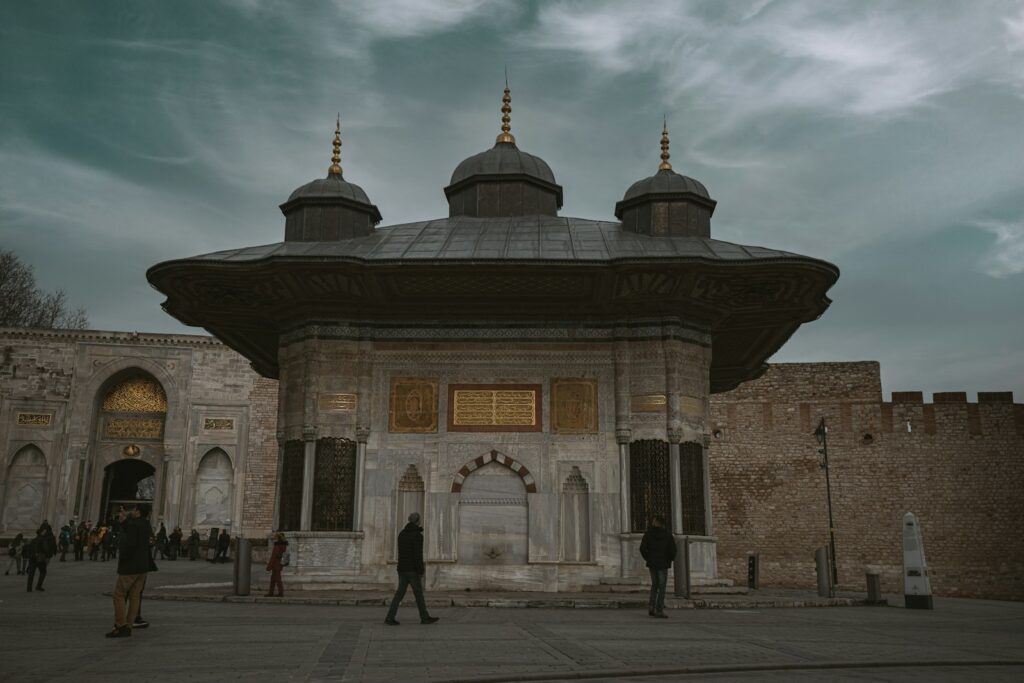
As you explore the surrounding Historic Peninsula, you can admire classical monuments like the ornate Fountain of Sultan Ahmed III before retreating to your private sanctuary. For travelers seeking options for their stay, discovering the right sanctuary is easy when you explore details regarding room types and suites tailored for romantic getaways, cultural discovery, and family travel. Furthermore, for guests exploring the peninsula with loved ones who appreciate classic travel hospitality in historic surroundings, sister properties such as Hotel Yasmak Sultan offer warm, family-friendly boutique accommodation just moments from major heritage sights.
Stepping into the world of the Ottoman sultanas transforms a simple sightseeing trip into a deeply immersive story. By combining authentic historical discovery with refined, comforting hospitality, your time in Sultanahmet becomes a timeless experience you will cherish long after your journey ends.
Photo: Husien Bisky — Unsplash