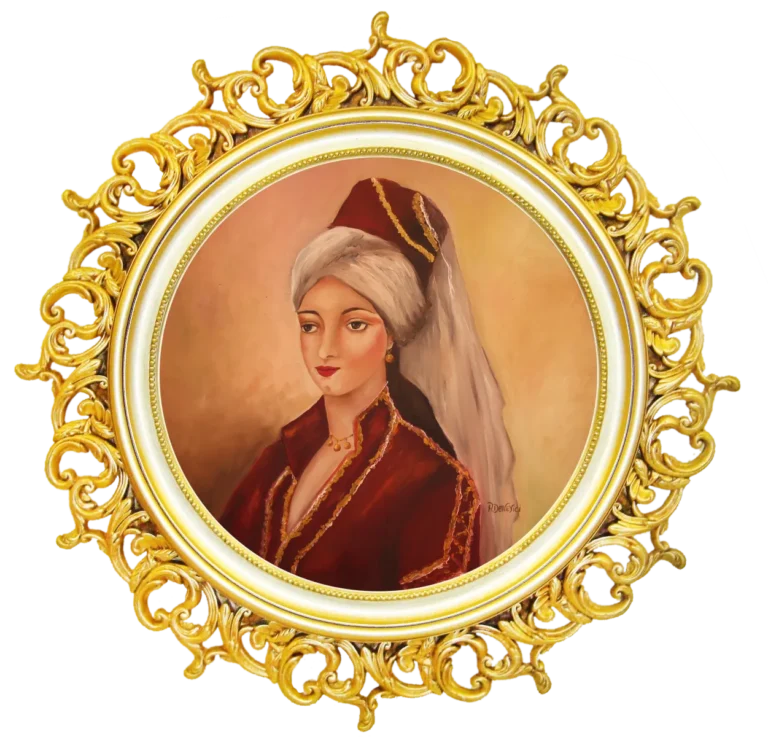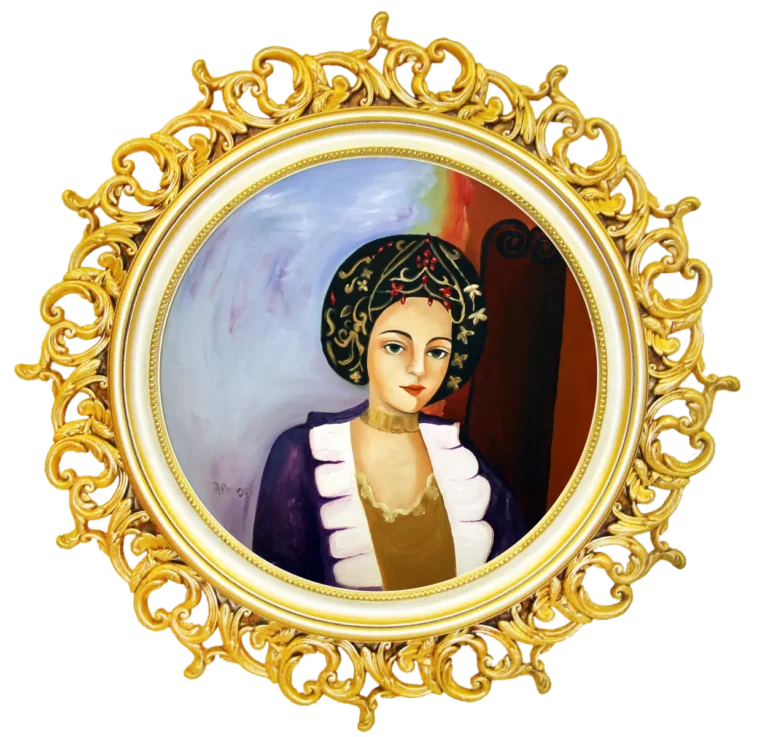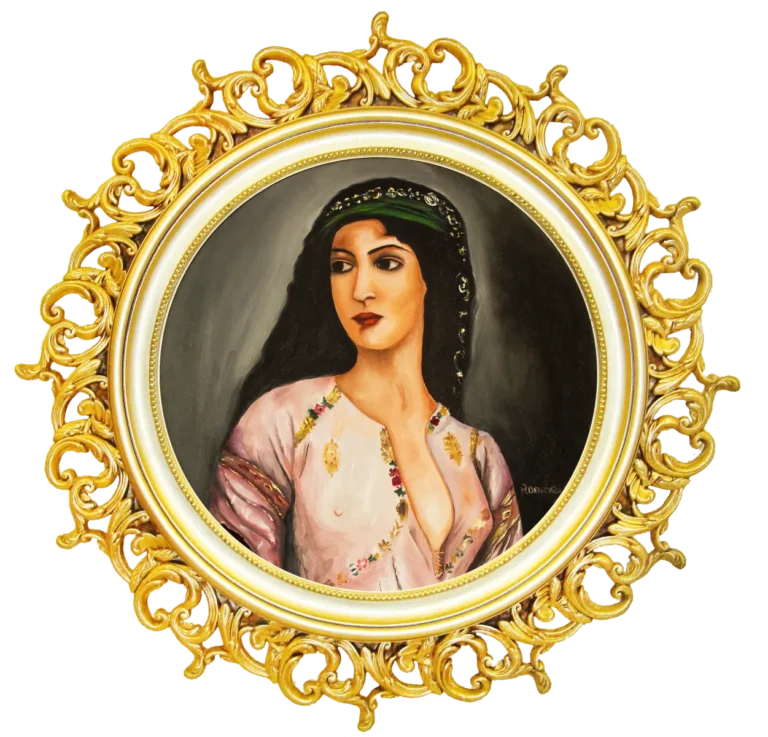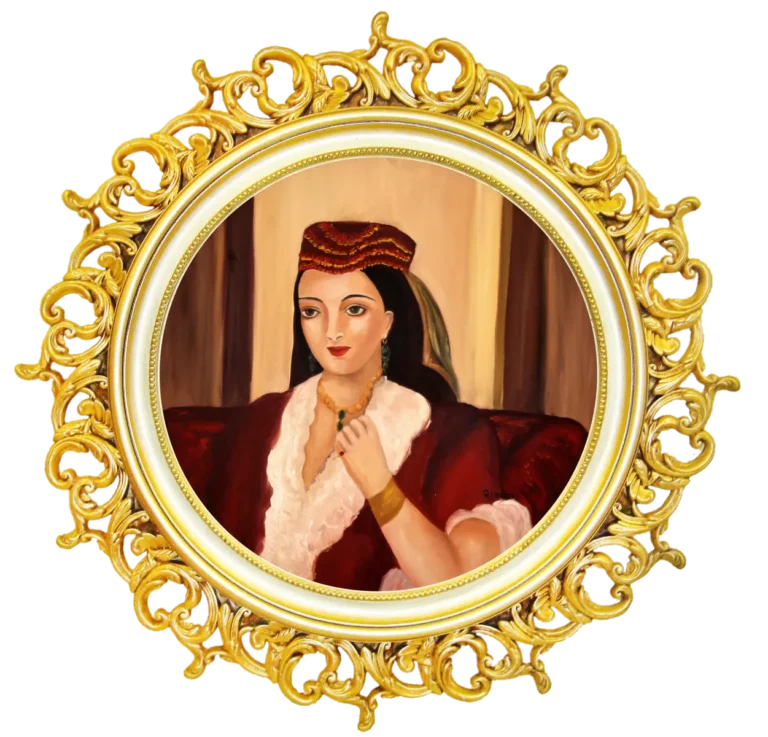


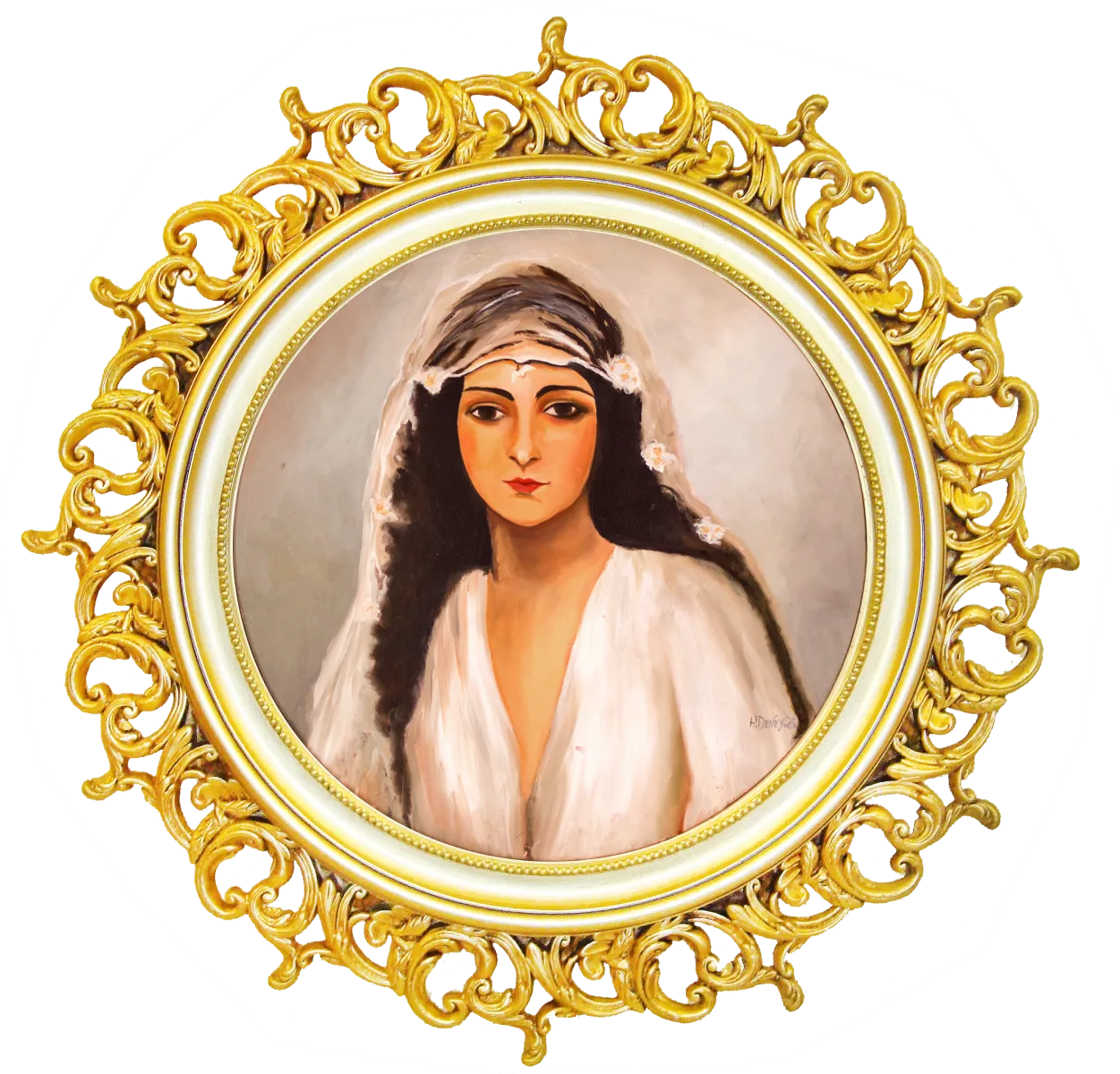
Zeynep Sultan
Istanbul is on the midst of tulip madness: April, 1728. The tulip, emblem of the Ottoman Empire, has lent its name and comely flower to an entire Age. Every spring, tulips in every colour of the rainbow are in season and are grown religiously all over the capital. In the palace, in the markets, in parks and public squares, even on balconies in pots. The tulips are loved and they are revered.
In order to make them last, they are covered at high noon to protect them from the sun which can wilt them. The Tulip Age is reflected in various ways in Topkapi Palace. An entire hall in the harem is dedicated to this flower. Tulips are painted on its walls, mostly in miniature. Mirrors that are placed strategically around the room and on the ceiling give an illusion of endless tulip gardens as seen from a distance.
Sultan Ahmed III’s beautiful daughter Zeynep Sultana is only fifteen years old. She is stretched out on the blue satin sofa, framed by abundant bouquets of tulips in golden vases. She is to be married this day to Mustafa Pasha. She murmurs a little prayer, her rosy lips quivering. She is anxious to become his beloved and hear him whisper “my white dove” as he kisses her.
Mihrişah Valide Sultana, Zeynep’s mother, walks into the room in a swish of velvet and pearls, accompanied by several odalisques. They help the bride-to-be dress in her white-silk, rose-embroidered wedding gown. It embraces her youthful body, clinging seductively to her budding womanhood. They gingerly place a cone-shaped, jewel covered tiara on her flowing chestnut hair. They attach her veil to the top of the crown with a diamond brooch.
They adorn her neck with many strands of golden necklaces, and her ears with tulip-shaped earrings that are highlighted with pearls and rubies. Now ready, the bride’s procession heads for the ball-room where the groom awaits. Zeynep Sultana and Mustapha Pasha’s wedding was a grand and lavish affair whose memory they both cherished during a long and happy marriage. The Sultana, in gratitude for her happy life, financed the building of many fountains in various corners of the capital and an elegant mosque in Sirkeci Soğuk Çeşme which she named after herself.