


As morning breaks over Istanbul’s Historic Peninsula, a soft golden mist lingers over ancient stone pavements. The gentle echo of distant seagulls mixes with the faint aroma of freshly brewed Turkish tea drifting from quiet courtyards. Walking through Sultanahmet feels less like stepping into a modern neighborhood and more like entering an open-air museum where centuries of imperial grandeur whisper from every carved facade and weathered archway. When you wake up within this enchanting setting, surrounded by the regal design and intimate warmth of Hotel Sultania, the entire story of the Ottoman and Byzantine empires rests right at your doorstep.
Exploring this timeless district on foot offers a rare kind of magic. While famous landmarks draw travelers from across the globe, the real beauty of the Old City lies in slowing your pace, noticing the intricate stone details, and discovering how effortless your journey becomes when staying near historic landmarks. Every winding alleyway tells a story of sultans, scholars, artisans, and architects who shaped one of the world’s most magnificent capitals.
Stepping Onto the Ancient Byzantine Hippodrome
Your walking tour naturally begins where public life in Constantinople flourished for over a millennium: the historic Hippodrome. Today known as Sultanahmet Square, this sweeping promenade once vibrated with the thunderous roar of chariot races, political gatherings, and imperial ceremonies. As you walk across the open plaza, you can almost hear the echoes of tens of thousands of spectators cheering beneath the Mediterranean sun.
Rising dramatically against the skyline are monuments that have stood witness to empires rising and falling. The Obelisk of Theodosius, carved from pink granite in ancient Egypt and re-erected here in the fourth century, still displays incredibly sharp bas-relief carvings depicting imperial life. Just a few steps away stands the Spiral Column, originally dedicated at Delphi in ancient Greece, and the Walled Obelisk, whose weathered stone blocks speak to centuries of endurance. Photographers and heritage lovers will appreciate how the light shifts across these ancient surfaces throughout the morning, casting long shadows that accentuate every hand-carved detail.
Tracing the Delicate Tilings of the Blue Mosque
From the open expanse of the Hippodrome, your gaze is inevitably drawn toward the cascading domes and slender minarets of the Sultan Ahmed Mosque, widely known as the Blue Mosque. Stepping into its grand courtyard, surrounded by marble porticoes and arched gateways, offers a moment of serene contemplation before entering the sanctuary itself.
Inside, the atmosphere turns deeply contemplative. Sunlight filters through hundreds of stained glass windows, illuminating more than twenty thousand handmade Iznik ceramic tiles. These tiles, crafted during the pinnacle of Ottoman ceramic art, feature intricate floral patterns—tulips, roses, carnations, and cypress trees—rendered in rich cobalt blues, turquoises, and warm tomato reds. As you tread softly across the thick carpets, look closely at the upper walls where imperial calligraphers inscribed timeless verses in sweeping gold lettering. It is an architectural masterpiece where mathematical precision meets spiritual elegance.
After immersing yourself in such grandiose beauty, retreating to a peaceful haven becomes an essential part of your experience. Guests seeking refined comfort can rest in our tailored deluxe double options, where Ottoman-inspired design elements mirror the royal sophistication found within the monuments nearby.
The Quieter Corners of the Historic Peninsula
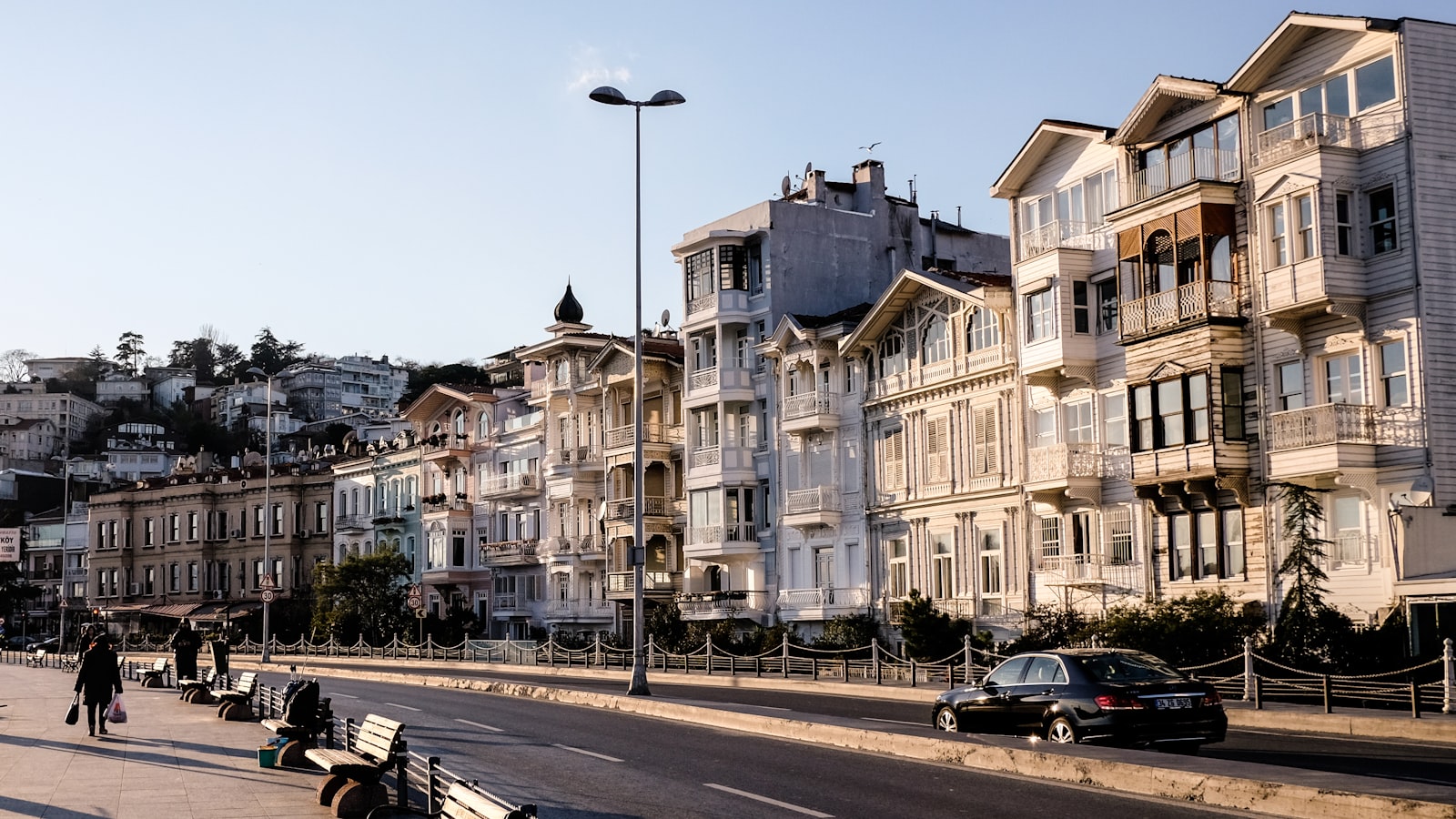
While the grand monuments captivate at first glance, Sultanahmet’s true romance unfolds in its quieter side streets and secluded residential lanes. Wandering away from the main plazas brings you to narrow cobblestone paths lined with restored nineteenth-century wooden Ottoman houses, their upper stories leaning gently over the street.
Tucked behind unassuming stone gates, you will stumble upon peaceful medrese courtyards where fountain water trickles softly against marble basins. Architectural enthusiasts will delight in discovering the Fountain of Ahmed III near the outer gate of Topkapi Palace, featuring ornate floral relief carvings and exquisite calligraphic panels that exemplify late Ottoman rococo style. Seeking out these quiet, underrated historic places rewards curious travelers with moments of stillness, perfect for capturing evocative photographs away from the lively crowds.
A Refined Culinary Finale at Olive Anatolian Restaurant
As the afternoon light softens into shades of amber and violet across the skyline, a day of walking through history deserves an equally memorable culinary conclusion. Gathering around a table to savor authentic flavors is one of the most rewarding ways to celebrate a day of discovery in the Historic Peninsula.
Located within the heart of the district, Olive Anatolian Restaurant offers a sophisticated dining experience that honors regional heritage. Featuring seasonal ingredients, time-honored Anatolian recipes, and elevated modern presentation, the dining room provides a warm, elegant atmosphere overlooking the illuminated historic rooftops. From tender, slow-cooked regional specialties to thoughtful vegan and vegetarian dishes, every plate reflects the rich crossroads of cultures that defined imperial dining for generations.
To wander through Sultanahmet on foot is to participate in an ongoing story of culture, art, and imperial grace. Every stone facade, quiet courtyard, and historic monument offers an invitation to pause and admire human artistry across the ages. When evening falls, returning to the welcoming embrace of Hotel Sultania completes your journey, offering a timeless blend of historic charm and modern boutique luxury in the heart of Old Istanbul.
Photo: Alev Takil — Unsplash