


To effectively navigate the historic Spice Bazaar in Eminönü, enter through the main northern gate facing the waterfront, explore the L-shaped central hallway for specialized merchants, and venture into the outer stalls along Hasırcılar Caddesi for bulk pricing. Always request custom weight measurements, test saffron in warm water, and insist on vacuum sealing for air travel.
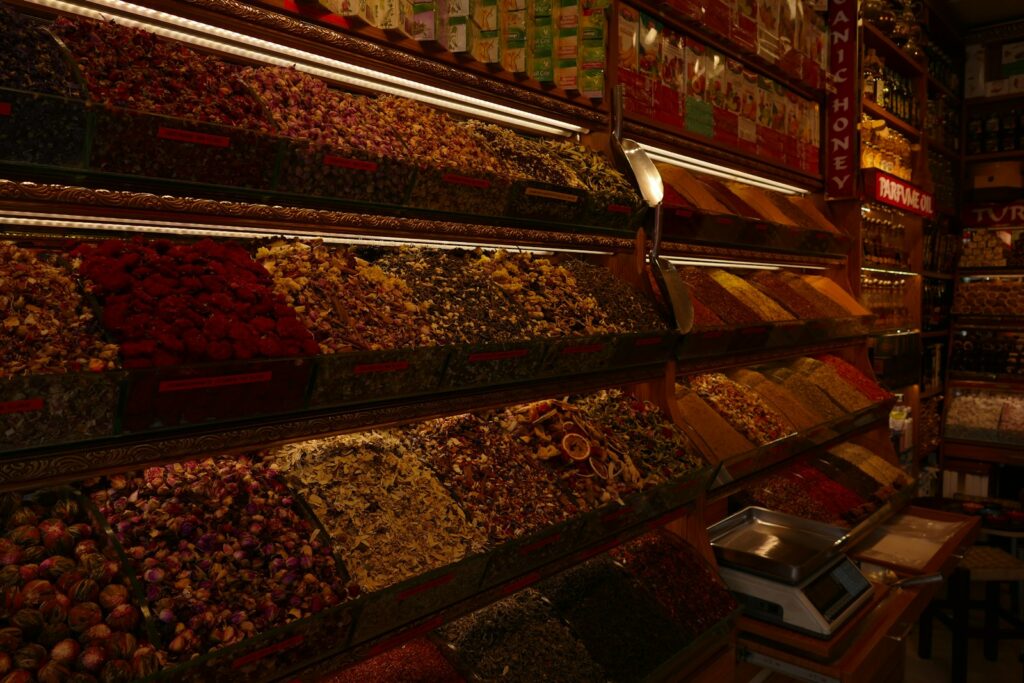
Constructed in the 1660s as part of the New Mosque complex, the Spice Bazaar—known locally as Mısır Çarşısı or the Egyptian Market—has served as Istanbul’s central hub for spice trade for over three centuries. Revenues collected from Egyptian trade taxes historically funded the maintenance of the imperial mosque next door. Today, the covered market remains a bustling center of trade where vibrant mounds of ground sumac, crimson saffron, dried hibiscus, and freshly roasted Arabica coffee beans create an unforgettable atmosphere for food lovers.
Located in the Eminönü district along the Golden Horn, the market sits just a 10 to 12-minute walk from Sultanahmet Square or two stops away on the T1 tram line. Walking down Ebusuud Street from your base in the Historic Peninsula leads you directly toward the bazaar’s arched stone entryways. Arriving with a clear understanding of the market layout, spice grades, and preservation methods ensures you bring home genuine culinary goods rather than commercial souvenirs.
Key Walkway Layout and Recommended Stall Clusters
The Spice Bazaar operates along an L-shaped corridor containing 88 vaulted rooms, intersected by six monumental gates that separate high-footfall tourist avenues from authentic wholesale outer streets. The primary axis runs south from the waterfront Balık Pazarı Gate toward the New Mosque, while the shorter wing extends west toward the Tahtakale quarter.
Inside the covered structure, central stalls display polished brass trays stacked with double-roasted pistachio Turkish delight, dried figs from İzmir, and aromatic tea blends. While the interior arcade offers an atmospheric shopping experience under hand-painted vaulted ceilings, local home cooks and chefs often head to the exterior streets. Exiting through the western gate onto Hasırcılar Caddesi brings you into a busy outdoor market strip where spice merchants, cheese vendors, and coffee roasters supply local restaurants at competitive prices by weight.
To navigate the market effectively, follow this simple route:
- Begin at the northern entrance near the Eminönü tram station to get an overview of the inner hall’s architecture and vendor offerings.
- Walk down the main vaulted hall toward the central intersection, taking note of stall numbers and inspecting display quality.
- Turn west toward the Tahtakale Gate and exit onto Hasırcılar Caddesi to compare bulk prices on culinary herbs and nuts.
- Visit the open-air coffee roasters at the corner of Hasırcılar Caddesi, where freshly ground Turkish coffee is packed directly from copper roasters.
Identifying High Grade Saffron Sumac and Herbal Teas
Identifying top-grade Turkish and Persian saffron requires checking for deep crimson threads without yellow styles, while authentic sumac should possess a coarse, dark burgundy texture with natural salt rather than artificial red dyes. Knowing how to evaluate colour, aroma, and texture helps you select raw ingredients of imperial quality.
Saffron is among the most prized items in the market, but imitation products made from safflower or dyed corn silk are common. Genuine saffron features dry, dark red stigmas flared at the tips. When submerged in warm water, real saffron slowly releases a yellow hue over 10 to 15 minutes while the thread retains its red structure. If the liquid turns bright red immediately or the threads disintegrate, the product contains synthetic dye.
Sumac, harvested from wild rhus berries along southern Anatolia, should be naturally oily and tangy. Avoid finely pre-ground sumac that appears bright neon red, as it often contains added food coloring or saw-flour fillers. Instead, seek out coarsely ground sumac with visible seed fragments and a tart, lemon-like fragrance. Similarly, when selecting silk-cut chili flakes such as Urfa Biber or Maraş Pul Biber, look for deep purple or dark burgundy flakes rubbed with olive oil and salt, which provide a warm, smoky depth to roasted vegetables and grilled meats.
When purchasing herbal teas, opt for whole loose leaves and dried flower buds rather than powdered fruit teas. Commercial powdered teas sold in plastic tubs are typically composed of sugar, citric acid, and artificial flavorings. High-grade herbal teas feature intact dried pomegranate arils, whole rosebuds from Isparta, mountain sage leaves (adaçayı), and linden blossoms (ılamur). Established merchants will weigh these botanicals directly from glass jars and package them in air-sealed bags for travel.
The royal banquets in Ottoman culinary art depended heavily on these exact spice profiles to create complex sweet and savory flavor combinations. If you wish to learn hands-on cooking techniques using wild thyme, nigella seeds, and sweet allspice, participating in a cooking class in Turkish cuisine provides practical experience guided by professional local chefs. The Hotel Sultania team recommends visiting the bazaar between 09:00 and 11:00 to avoid mid-day tour groups and converse comfortably with senior shopkeepers.
| Edible Souvenir | Flavor Profile & Appearance | Common Culinary Uses | Storage & Flight Tip |
|---|---|---|---|
| Persian / Turkish Saffron | Deep crimson threads, earth and hay aroma, bitter-sweet taste | Pilafs, seafood stews, milk puddings, saffron tea | Request vacuum sealing; store in a dark glass jar away from humidity |
| Wild Anatolian Sumac | Coarse dark burgundy texture, tart citrus acidity | Salad dressings, roasted onions, grilled kebabs, meze dishes | Keep in an airtight container; buy coarse ground rather than fine powder |
| Urfa Biber (Isot) | Dark purple to black oily flakes, smoky raisin note | Slow-cooked stew, bulgur salads, roasted eggplant dishes | Store in a cool cupboard to preserve natural essential oils |
| Loose Pomegranate Tea | Dried fruit pieces, hibiscus petals, whole rosebuds | Infused hot herbal tea, refreshing cold summer iced brew | Pack in sealed pouch bags to protect floral buds from crushing |
Authentic Ottoman Flavors at Olive Anatolian Restaurant
Olive Anatolian Restaurant offers an elevated dining experience where historic Ottoman recipes and Anatolian regional specialties are crafted using authentic herbs and spices sourced directly from local bazaars. Located on the top level of our sister property in Sirkeci, the venue combines panoramic views of the Golden Horn, Hagia Sophia, and the Bosphorus with traditional culinary craftsmanship.
After spending a morning exploring the spice stalls of Eminönü, walking up Ebusuud Street brings you to the restaurant entrance in roughly five minutes. The menu highlights slow-roasted lamb shanks infused with cinnamon and cloves, spiced eggplant purée (hünkâr beğendi), and olive-oil-poached artichokes sourced from Aegean farms. A dedicated menu caters directly to vegan and vegetarian diners, featuring legume-based stews, wild herb salad spreads, and bulgur pilafs seasoned with sumac and fresh mint.
You can reserve a table at Olive Anatolian Restaurant to enjoy an evening meal overlooking the illuminated skyline, or explore our onsite Sultania Restaurant for refined hotel dining. You can also visit Olive Anatolian Restaurant directly to review seasonal menu offerings before your visit.
Family Friendly Accommodation Options at Hotel Yasmak Sultan
Hotel Yasmak Sultan provides classic family-friendly accommodations in the Historic Peninsula, situated within an eight-minute walk of both the Spice Bazaar and Sultanahmet Square. Positioned in the Sirkeci neighborhood, this hotel offers a practical base for families traveling with children who want immediate access to historical landmarks and transport hubs.
If you are planning a trip with family or larger groups, staying at Hotel Yasmak Sultan provides spacious connecting rooms, an indoor swimming pool, and dedicated concierge services to manage local tours. From the front door, you can walk straight down to the Gulhane tram stop or stroll through Gulhane Park toward Topkapi Palace without needing vehicle transfers.
Returning to a peaceful sanctuary after a day spent sensory-navigating crowd-filled market corridors makes long city walks effortless. Whether you spend your day tasting mountain honey, selecting saffron, or photographing Ottoman domes, returning to comfortable family quarters ensures a relaxing end to your historic peninsula exploration.
Navigating the Spice Bazaar offers a sensory bridge between Istanbul’s imperial past and its vibrant modern food culture. By selecting high-grade spices by weight, observing authentic color profiles, and enjoying regional Anatolian dishes near Sultanahmet, you bring home a tangible piece of Turkey’s culinary heritage.
Frequently Asked Questions
How far is the Spice Bazaar from Hotel Sultania?
The Spice Bazaar is located in Eminönü, approximately a 10 to 12-minute walk or a quick two-stop ride on the T1 tram line from Hotel Sultania. You can stroll down Ebusuud Street through Sirkeci to reach the market gates.
What are the best hours to visit the Spice Bazaar to avoid crowds?
The best time to visit the market is during morning hours between 09:00 and 11:00, or in the late afternoon shortly before closing. Visiting early allows you to speak directly with stall owners and sample goods comfortably.
How can I tell if saffron sold at the market is genuine?
Authentic high-grade saffron consists of deep crimson threads with no yellow stalks attached. Steep a few threads in warm water: genuine saffron slowly turns liquid a clear golden yellow, whereas artificially dyed safflower turns water instant red.
Do vendors at the Spice Bazaar provide vacuum packaging for travel?
Yes, almost all established merchants inside and around the market offer free vacuum sealing upon request. Vacuum packaging protects spices, cheeses, pastırma, and Turkish delight from moisture and air during international flights.
What is the difference between the Spice Bazaar and the Grand Bazaar?
The Spice Bazaar in Eminönü is an L-shaped market primarily focused on food, spices, teas, and dried delicacies. The Grand Bazaar is a much larger covered network featuring over 60 streets dedicated to jewelry, carpets, leather goods, and handcrafts.
Where can I sample traditional Ottoman cuisine near the Spice Bazaar?
Olive Anatolian Restaurant in Sirkeci offers authentic Anatolian and Ottoman cuisine just a 5-minute walk from the market. The restaurant features rooftop views of the historic peninsula and serves a dedicated menu including plant-based options.
Is bargaining expected when buying spices and edible items?
Bargaining is less common for fixed-weight food items and spices than for carpets or leather goods. However, if you purchase multiple items or bulk quantities from a single vendor, asking for a polite round price or complimentary sample is acceptable.
Are there plant-based dining options near the Historic Peninsula markets?
Yes, Olive Anatolian Restaurant serves a full range of vegetarian and plant-based dishes inspired by regional Anatolian agriculture. You will find olive-oil-infused stews, meze spreads, and vegetable dishes daily.
Photo: Deniz Bireroglu — Unsplash