

An authentic Ottoman culinary workshop in Sirkeci defines itself through slow earthenware simmering, precise sweet-and-savory layering, and complex spice profiles starring sumac, dried mint, cinnamon, sweet allspice, and pomegranate molasses. Held over two hours, this hands-on masterclass teaches you how 15th to 19th-century imperial kitchens balanced sour fruit reductions with aromatic herbs and rich nut infusions.
Inside the kitchen with the executive chef of Olive Anatolian Restaurant
Working alongside a professional head chef inside a commercial kitchen provides direct hands-on instruction in historical cooking techniques passed down through imperial palace archives. Located just a short five-minute walk from Sultanahmet Square on Ebusuud Avenue, the kitchen environment gives you individual workstation access, professional copper cookware, and tailored knife skills guidance. You learn how grand Ottoman palaces like Topkapi managed massive banquets while preserving delicate botanical nuances in every pot.
During the initial portion of the workshop, your instructor breaks down the structural rules of royal dining, where every soup, meat or vegetable stew, and pilaf follows precise balancing acts between acidity, sweetness, and warmth. You gain direct insight into how court cooks prepared feasts for hundreds of dignitaries using local market produce, cold-pressed olive oils, and imported spice blends. If you wish to experience these historical recipes fully realized in a panoramic setting before or after your workshop, visiting the roof-level Olive Anatolian Restaurant lets you sample professionally executed imperial menus while admiring views across the Golden Horn and Bosphorus.
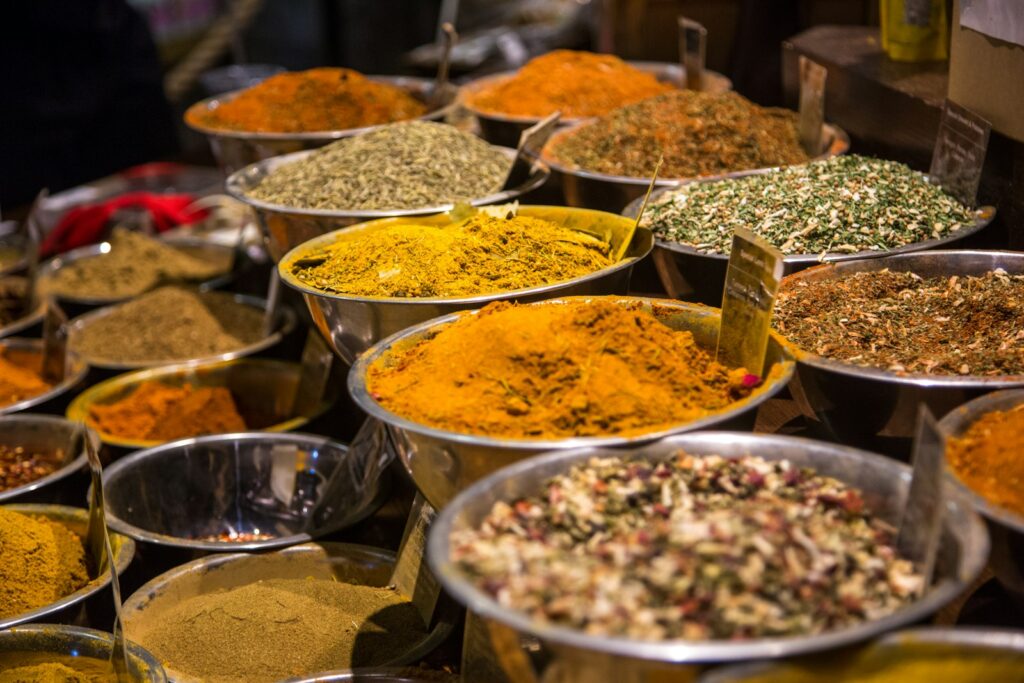
Selecting regional spices and botanical herbs for traditional Ottoman cooking
Selecting authentic ingredients for Ottoman palace cuisine requires pairing ground sumac, aromatic cinnamon, black pepper, dry mint, and pine nuts to achieve the signature contrast between tart fruitiness and savory warmth. Traditional spice boxes from the nearby Spice Bazaar feature distinct regional botanicals that formed the backbone of 16th-century royal banquets. In this portion of the masterclass, you smell, measure, and crush whole spices using brass mortars to unlock volatile oils before adding them to simmering pots.
You explore how ingredients like mastic resin, cinnamon sticks, and dried sour cherries were integrated into savory meat braises and vegetable dishes rather than reserved purely for desserts. Your chef demonstrates how ground sumac adds a citrus-like acidity to rich grilled components without curdling sauces, while dried mint creates a cooling finish on garlic-yogurt garnishes. Learning to toast pine nuts and currants in olive oil without scorching them teaches you the delicate temperature management required for classic Ottoman pilafs.
Preparing plant-based and classical royal recipes step by step
Preparing classical royal dishes step by step involves mastering four distinct cooking stages: searing or sweating aromatics in olive oil or butter, building complex broth bases with dried fruits, assembling stuffed components, and executing precise low-temperature simmers. During the two-hour workshop, you execute both animal-protein and plant-based recipes side by side, discovering how vegetable-led cooking flourished in historical palace menus.
- Preparing aromatic rice bases enriched with toasted pine nuts, black raisins, ground cinnamon, allspice, and freshly chopped dill.
- Executing stuffed vegetable techniques, where you gently fill hollowed bell peppers or wrap delicate grape leaves into uniform rolls using balanced finger pressure.
- Crafting cold vegetable reductions using pomegranate molasses, crushed garlic, sea salt, and extra virgin olive oil for classical zeytinyağlı starters.
- Simmering main pots over gentle stove heat inside covered tin-lined copper vessels to allow juices to condense into glossy, nutrient-rich glazes.
If you are exploring the surrounding historic neighborhood with family members looking for classic peninsula accommodation near Hagia Sophia and Topkapi Palace, staying at Hotel Yasmak Sultan places you within a short walk of these culinary and historical landmarks. During your cooking session, you also discover how plant-based dining is far from a modern trend in Istanbul; cold olive oil dishes (*zeytinyağlılar*) have formed a dedicated course in regional meals for centuries, relying on fresh artichokes, leeks, and green beans cooked down with lemon and sugar.
Mastering slow-simmering and earthenware techniques
Mastering slow-simmering techniques relies on using heavy-bottomed earthenware or tin-lined copper cookware to maintain stable low heat that breaks down raw fibers without scorching delicate glazes. In the 17th century, palace cooks used clay pots (*güveç*) buried under gentle charcoal embers to achieve deep flavor extraction over extended hours. During your session, you learn how to replicate these historical heat retention principles using modern stovetops and heavy cooking vessels.
You observe how extra virgin olive oil creates natural emulsions when simmered slowly with lemon juice, water, and pinch amounts of granulated sugar, coating vegetables in a shimmering veil. Your instructor demonstrates how to test the tenderness of root vegetables and leguminous fillings using wooden skewers without tearing skin structures. This focus on gentle thermal control prevents dry spices from turning bitter and ensures herbs retain their vibrant herbal aromatics in the finished gravy.
Receiving your official culinary certificate in historic Sirkeci
Receiving your official culinary certificate at the end of the two-hour workshop marks the successful mastery of foundational Ottoman recipes, kitchen prep techniques, and spice balancing principles. After completing the final plating stage under the chef’s guidance, you sit down in the dining room overlooking historic Sirkeci to enjoy the multi-course meal you prepared during the lesson. Your instructor awards you a personalized completion certificate alongside detailed printed recipe cards, ensuring you can recreate every dish at home with local market substitutes.
This tasting session turns into an engaging culinary exchange where you discuss wine pairings, regional ingredient sourcing, and historical food anecdotes with your chef and fellow participants. Couples seeking an indulgent evening centered on fine flavors often complement their hands-on class with specialized tasting packages, such as the curated wine and cheese experience offered by the hotel to sample regional Anatolian vintages and artisanal cheeses. To secure a guaranteed spot in these popular small-group workshops, guests can reserve their position directly through the cooking class in Turkish cuisine page before arriving in Sultanahmet.
Practical guidance for booking and arriving at your Sirkeci cooking session
Reaching the Sirkeci workshop venue takes less than five minutes on foot from the Gülhane tram stop or Sultanahmet Square, placing you directly in the historic core of the peninsula. Sessions operate in small, intimate groups to guarantee personal attention at every cooking station, making advance online registration advisable. The venue supplies all aprons, cooking tools, raw ingredients, and printed guides, requiring you only to wear comfortable closed-toe shoes suitable for a professional kitchen environment.
The central location makes it effortless to pair your morning or afternoon workshop with visits to nearby landmarks like the Basilica Cistern, located roughly 400 meters away, or the Grand Bazaar, a 10-minute stroll up the hill. Because cooking classes operate on scheduled windows throughout the week, checking real-time availability on the hotel website helps you build an efficient cultural itinerary without lost time.
| Ottoman Dish Category | Key Spices & Botanicals | Core Culinary Technique | Dietary Profile |
|---|---|---|---|
| Zeytinyağlı (Olive Oil Starter) | Dill, lemon, pine nuts, granulated sugar | Gentle simmering in emulsion broth | Vegan / Vegetarian |
| Dolma & Sarma (Stuffed Leaves/Veggies) | Allspice, cinnamon, dried mint, currants | Tight rolling and low-heat covered braise | Vegan or Meat options |
| Palace Meat Stew (Güveç) | Sumac, black pepper, garlic, dried plum | Slow earthenware cooking in rich broth | Classic Meat / Protein |
| Royal Pilaf (İç Pilav) | Butter, pine nuts, allspice, black raisin | Toasting, absorption steaming, resting | Vegetarian or Meat broth |
By stepping into a professional kitchen environment in Old Town Istanbul, you gain practical skills that extend far beyond simple recipe reading. The Hotel Sultania team ensures that every culinary guest gains authentic insight into imperial dining heritage while enjoying modern comforts in the heart of Old Town Istanbul.
Frequently Asked Questions
How long does the Ottoman cooking class in Sirkeci take?
The masterclass lasts exactly two hours from start to finish. During this time, you prepare multiple classical dishes, learn about spice profiles, and enjoy tasting your completed meal.
Do I need previous kitchen experience to join the workshop?
No prior professional experience is required to participate. The executive chef guides you step by step through every knife cut, spice measurement, and cooking method.
Are vegan and vegetarian options available during the cooking class?
Yes, plant-based options are fully integrated into the masterclass curriculum. You can prepare traditional olive oil dishes (zeytinyağlılar) and vegetarian stuffed vine leaves.
Where is the workshop held in relation to Sultanahmet landmarks?
The workshop takes place on Ebusuud Avenue in Sirkeci, situated approximately a five-minute walk from Hagia Sophia, Topkapi Palace, and the Gülhane tram stop.
What dishes will I learn to prepare during the masterclass?
You learn to cook authentic royal palace recipes, including aromatic stuffed vine leaves, traditional olive oil vegetable dishes, spiced pilafs, and classic meat or legume reductions.
Is an official culinary certificate provided after completing the workshop?
Yes, every participant receives an official completion certificate signed by the chef along with printed recipe cards to take home after the tasting session.
Where can participants enjoy lunch or dinner nearby in Sultanahmet?
Guests can dine at Olive Anatolian Restaurant, located on the nearby rooftop in Sirkeci, offering regional Anatolian cuisine, vegan choices, and views over the Bosphorus.
What are the standard check-in and check-out times at Hotel Sultania?
Check-in at Hotel Sultania is available from 14:00 onwards, and check-out is conducted until 12:00. The front desk team assists guests in English, Turkish, and Russian.
Photo: Jason Leung — Unsplash
