


You can structure a three-day walking itinerary through Sultanahmet without rushing by dividing the Historic Peninsula into three geographically compact zones: the core imperial monuments on day one, the royal sultana heritage sites on day two, and the historic trade bazaars combined with a Bosphorus ferry on day three. Keeping each day focused on landmarks within a ten-minute walk of each other allows you to explore at a relaxed pace.
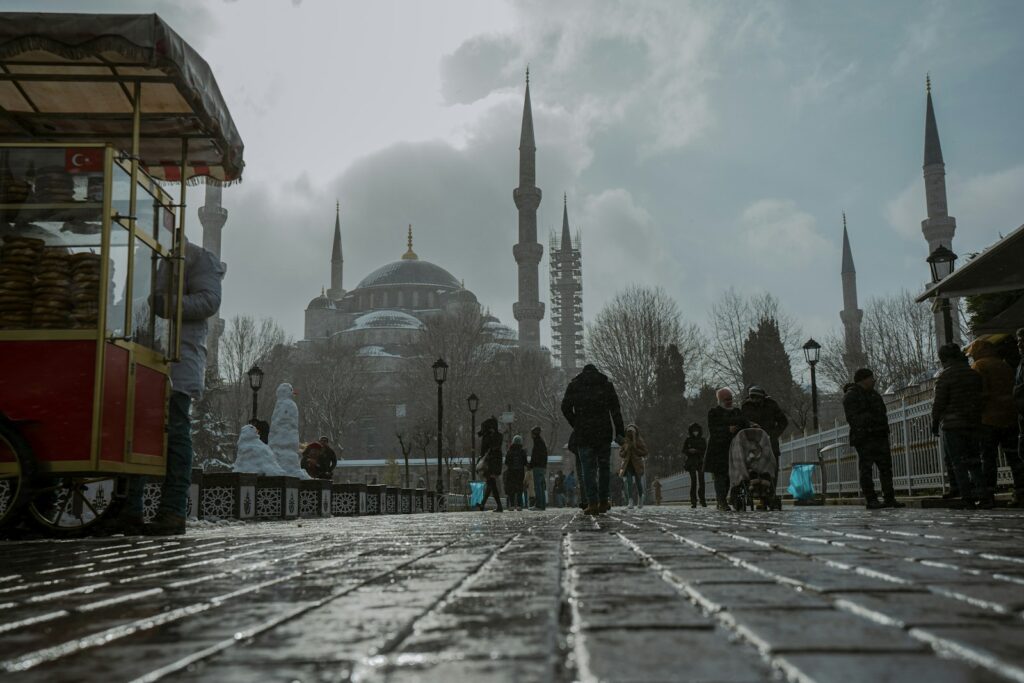
Day One Morning Route From Topkapi Palace to Basilica Cistern
To maximize your morning on day one, start at Topkapi Palace right at opening time, continue to Hagia Sophia across Sultanahmet Square, and finish your loop at the subterranean Basilica Cistern. Walking between these three primary landmarks takes less than ten minutes in total, which helps you avoid mid-day transit stress and long museum queues.
Begin inside the expansive grounds of Topkapi Palace, where the Ottoman court resided for over four centuries. Reserve at least two hours to examine the Imperial Treasury, the sacred relics display, and the intricate tilework of the Harem quarter. Upon exiting the palace gates, walk three minutes through Gulhane Park to reach Hagia Sophia. Because Hagia Sophia serves as an active place of worship, check current visitor schedules before entering, dress modestly with shoulders and knees covered, and remove your footwear before stepping onto the carpeted prayer hall floor.
Cross the tram line adjacent to the square to enter the underground Basilica Cistern. Inside, paved boardwalks lead you past 336 marble columns lit by subtle amber lights, culminating at two carved Medusa head column bases in the northwest corner. After completing your morning exploration, a five-minute stroll towards Sirkeci brings you to Olive Anatolian Restaurant, located on the hotel group’s nearby rooftop, where you can order traditional Anatolian clay pot dishes alongside dedicated vegan options while gazing across the Old Town skyline.
For a seamless start to your journey, the Hotel Sultania team recommends booking a private airport transfer service directly to Ebusuud Avenue, placing your luggage safely in your room before you set out on foot.
| Itinerary Day | Primary Landmarks | Walking Distance from Hotel | Recommended Focus |
|---|---|---|---|
| Day One | Topkapi Palace, Hagia Sophia, Basilica Cistern | 3 to 7 minutes on foot | Imperial court history and Byzantine architecture |
| Day Two | Hippodrome, Blue Mosque, Hurrem Sultan Hamam | 5 to 10 minutes on foot | Ottoman sultana heritage and iconic mosques |
| Day Three | Grand Bazaar, Spice Bazaar, Eminonu Pier Ferry | 8 to 12 minutes on foot | Historic commerce, spice trade, and Bosphorus sailing |
Day Two Ottoman Sultana Heritage Walking Path
You can trace the legacy of powerful Ottoman women by walking a direct path from the ancient Hippodrome of Constantinople to the monuments commissioned by Empress Hurrem Sultan and her imperial line. This historic trail reveals how sultanas shaped the architecture, politics, and social welfare of the empire.
Start your morning at the Hippodrome of Constantinople, where you can inspect the 3,500-year-old Egyptian Obelisk of Theodosius and the bronze Serpent Column. From the plaza, step into the Blue Mosque, known formally as the Sultan Ahmed Mosque. Built between 1609 and 1616, its interior features over 20,000 handmade Iznik ceramic tiles adorned with floral tulip and carnation motifs. Remember to plan your visit around five daily prayer times when public tourist admission pauses temporarily.
Directly across the square stands the 16th-century Hurrem Sultan Hamam, commissioned by the influential wife of Sultan Suleiman the Magnificent and designed by chief imperial architect Mimar Sinan. As you walk along the cobblestone paths connecting these monuments, you witness how prominent royal women established public baths, soup kitchens, and theological schools that sustained city life. If you wish to immerse yourself completely in royal storytelling throughout your stay, selecting the curated Sultan Package incorporates traditional cultural experiences into your accommodation schedule.
Visitors seeking a family-friendly historic stay in this neighborhood can also explore options at Hotel Yasmak Sultan, a long-standing sister property located just down the street on the Historic Peninsula.
Day Three Bazaars and Bosphorus Ferry Excursion
You explore Istanbul’s centuries-old commercial network by navigating from the covered avenues of the Grand Bazaar down to the waterfront Spice Bazaar and embarking on a public Bosphorus ferry at Eminonu Pier. This downhill walking route connects the city’s inland trading hubs directly to its historic maritime routes.
Enter the Grand Bazaar through Gate 1 near Nuruosmaniye Mosque. Established in 1461, this covered market encompasses more than 60 vaulted streets and 4,000 shops. Walk along Divanyolu Street, following the historic imperial procession road, while observing craftsmen hand-hammering copperware and weaving wool carpets. Remember that the bazaar remains closed on Sundays, so schedule your shopping itinerary for a weekday or Saturday morning when the alleys are less crowded.
Head downhill along Uzun Carsi Street toward the Golden Horn to enter the Spice Bazaar, built in 1660 as part of the New Mosque complex. Here, sensory displays of saffron, dried sumac, Turkish delight, and roasted nuts line the narrow corridors. Upon exiting the market gates, cross the pedestrian underpass to Eminonu Pier. Board a public ferry departing for a short round-trip cruise toward the Bosphorus Bridge. Watching the silhouettes of minarets fade into the evening sky from the ferry deck offers a fitting perspective on your three-day urban walk.
Before returning to your accommodations, consider stopping by Sultania Restaurant for an evening hot tea or a light meal prepared with local ingredients, right on the ground floor of the property.
Evening Spa Recovery in a Private Marble Hamam
You soothe fatigued muscles after three full days of pavement walking by participating in a traditional heated marble bath ritual designed to restore circulation and relax your body. Turkish bath culture has served as a central wellness practice in Istanbul for centuries, combining warm steam, exfoliative scrubbing, and cold water rinsing.
Inside a classical marble hamam, the session begins as you rest on the central heated marble slab, known as the gobek tasi. The deep radiant warmth softens the skin and warms tired leg muscles that have traversed Sultanahmet’s stone inclines. A trained bath attendant uses a hand-woven silk mitt, called a kese, to exfoliate dead skin cells before applying dense olive-oil soap foam from a traditional copper bowl.
Reserving accommodation with dedicated wellness features ensures this rejuvenation process remains private and accessible whenever your walking day ends. Guests selecting a Deluxe Double Room With Hamam Concept can enjoy an authentic marble basin, heated marble walls, and a hand-carved tap directly inside their private bathroom. Alternating warm rinsing water with quiet relaxation in your room provides an ideal balance to intensive sightseeing across the Old Town.
By structuring your journey into distinct geographic legs, taking advantage of early morning entry windows, and allowing time for nightly physical recovery, your three-day exploration of the Historic Peninsula remains rich, deeply informative, and entirely free of unnecessary stress.
Frequently Asked Questions
How many days are needed to visit the main sites in Sultanahmet?
Three full days allow you to visit the primary landmarks without rushing. This timeframe covers Topkapi Palace, Hagia Sophia, the Basilica Cistern, the Blue Mosque, and the historic bazaars at a comfortable walking pace.
Is Sultanahmet easy to explore completely on foot?
Yes, Sultanahmet is highly pedestrian-friendly with major monuments located within a 5-to-15-minute walk of one another. Most streets around Sultanahmet Square have restricted vehicle access, making walking the most efficient option.
What is the best time of day to visit Hagia Sophia and Topkapi Palace?
Visiting right at the morning opening hour or during the final ninety minutes before closing offers the quietest experience. Mid-day periods usually see peak queue times due to arriving tour groups.
Where can travelers find vegan or vegetarian dining options in Sultanahmet?
Olive Anatolian Restaurant offers a dedicated vegan and vegetarian menu featuring Anatolian plant-based recipes. Located near Sirkeci, it provides dining options within short walking distance of major historic landmarks.
What is the dress code for entering active mosques in Istanbul?
Visitors must wear clothing that covers shoulders and knees, while women must also cover their hair with a scarf. Shoes must be removed at the entrance, so carrying or wearing clean socks is recommended.
Are the Grand Bazaar and Spice Bazaar open every day of the week?
The Spice Bazaar is open daily, but the Grand Bazaar is closed on Sundays. Plan your shopping route between Monday and Saturday to ensure access to both historic markets.
How far is Hotel Sultania from Hagia Sophia and Topkapi Palace?
Hotel Sultania is located within a 5-to-7-minute walk of both Hagia Sophia and Topkapi Palace. Its location on Ebusuud Avenue allows easy pedestrian access without needing public transit or taxis.
Can the hotel arrange transportation from Istanbul airports?
Yes, Hotel Sultania offers private airport transfer service upon request for arriving guests. You can coordinate your transfer details directly with the front desk team prior to your travel date.
Photo: Husien Bisky — Unsplash

