


Imagine standing before heavy gilded gates, where sunlight filters through intricate geometric lattice screens, casting soft shadows across hand-painted Iznik tiles. For centuries, Western orientalist paintings painted the Ottoman royal harem as a place of mere mystery and exoticism. Yet, behind these monumental doors lay an entirely different reality: an intricate, highly structured sanctuary of education, statecraft, artistic refinement, and female empowerment. As you step onto the historic peninsula of Sultanahmet, where the echoes of empires resonate through stone and sea breeze, you begin to uncover the true narrative of this royal domain.
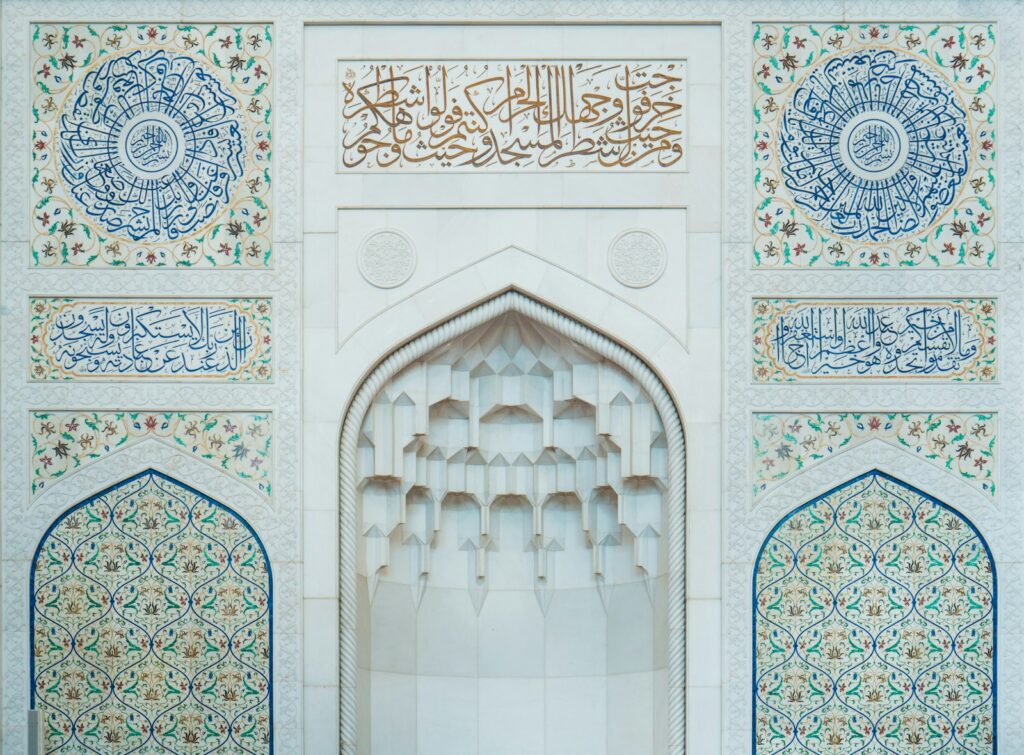
Far from being a passive retreat, the imperial harem functioned as a sophisticated academy and political powerhouse. Within its quiet courtyards, women were educated in language, literature, calligraphy, theology, diplomacy, and the musical arts. It was a secluded world governed by strict hierarchy, meticulous etiquette, and strategic intellect. Every hallway whispered stories of ambition, survival, and profound cultural patronages that shaped the visual and social landscape of Istanbul for generations.
Beyond the Myth: The Harem as an Imperial Sanctuary
To understand the harem is to look past centuries of myth and appreciate its role as the beating heart of the Ottoman imperial household. Managed under the firm, astute leadership of the Valide Sultan—the Queen Mother—the harem served as the primary administrative locus for royal family life. Here, strategic matrimonial alliances were forged, artistic endeavors were commissioned, and philanthropic foundations were born.
When you walk through the shaded stone corridors of Topkapı Palace today, you can almost hear the soft rustle of silk gowns and the delicate chime of silver ornaments. The women who resided here were polyglots, patrons of grand public architecture, and keen observers of world politics. They commissioned grand mosques, public bathhouses, fountains, and hospitals across the empire, using their wealth to leave indelible marks on urban life. The privacy of the sanctuary was not a cage, but rather a fortress of influence from which some of the most capable leaders in history exercised their power.
Architectural Mastery and Private Marble Hammams
The sensory allure of the Ottoman court was nowhere more present than in its architectural design and wellness traditions. High domed ceilings with carved stone acoustics allowed soft light to stream down into serene marble chambers. Water flowed continuously through hand-carved stone basins, creating a rhythmic soundscape designed to calm the mind and facilitate private conversation.
Central to courtly self-care was the ritual of the steam bath, a practice elevated to an art form within the palace walls. Exotic soaps scented with Damascus rose, lavender, and orange blossom cleansed the skin, while warm marble slabs loosened the tensions of court life. This legacy of restorative luxury lives on in Istanbul today. You can immerse yourself in this timeless ritual by reserving an authentic Turkish Hamam Experience, revitalizing your body and mind in an atmosphere steeped in royal tradition.
The Royal Sultanas Who Controlled an Empire
During the sixteenth and seventeenth centuries, an extraordinary era known as the Sultanate of Women unfolded. Powerful sultanas stepped out from the shadows of imperial solitude to directly advise sultans, manage international correspondence, and govern grand political affairs. Among these formidable figures, none altered the destiny of the empire quite like Hürrem Sultan, whose intellect, political acumen, and deep romance with Sultan Suleiman the Magnificent redefined the role of women in the Ottoman court forever.
Hürrem Sultan broke centuries of precedent by becoming the legal wife of the Sultan, establishing a precedent that elevated royal consorts to diplomatic powerhouses. Her correspondence with foreign monarchs, extensive charitable endownments, and bold visionary architectural projects proved that wisdom and political strategy flourished within the harem walls. Subsequent leaders like Nurbanu Sultan, Safiye Sultan, and Kösem Sultan followed in her footsteps, effectively guiding the state through complex geopolitical tides with remarkable poise.
Bringing Palace Elegance into Your Istanbul Sanctuary
Exploring the historic peninsula is an exhilarating journey back through time. After a day spent exploring imperial chambers, grand courtyards, and ancient monuments, returning to a space that echoes this rich heritage completes your cultural journey. Selecting a boutique hotel inspired by this captivating history allows you to carry the majesty of the past into your evening relaxation.
At Hotel Sultania, every space pays homage to the grace, strength, and timeless elegance of these historical sultanas. You can unwind in thoughtfully curated surroundings that blend classic Ottoman craftsmanship with modern luxury. For an unforgettable stay, consider booking a stay in our Harem Suite Room, where rich fabrics, hand-crafted details, and opulent design elements evoke the private elegance of imperial chambers.
To complete your cultural journey through historic Sultanahmet, pair your historical discoveries with regional flavors. As the golden hour approaches, enjoy an exquisite meal at Olive Anatolian Restaurant, where rich culinary heritage and sweeping views of the historic skyline bring your day in Old Istanbul to a memorable close.
The stories buried within the historic peninsula are waiting for you to discover them. By walking where sultanas once walked and immersing yourself in the refined comfort of boutique hospitality, your time in Istanbul becomes far more than a simple trip—it becomes a journey through living history.