


You can authentically navigate the 61 covered streets of the Grand Bazaar by entering through Nuruosmaniye Gate, sticking to specialized guild corridors, inspecting handcrafted signatures, and using structured walking routes. Strolling through this historic marketplace reveals centuries of Ottoman craftsmanship when you know how to identify authentic goods and engage with local artisans.
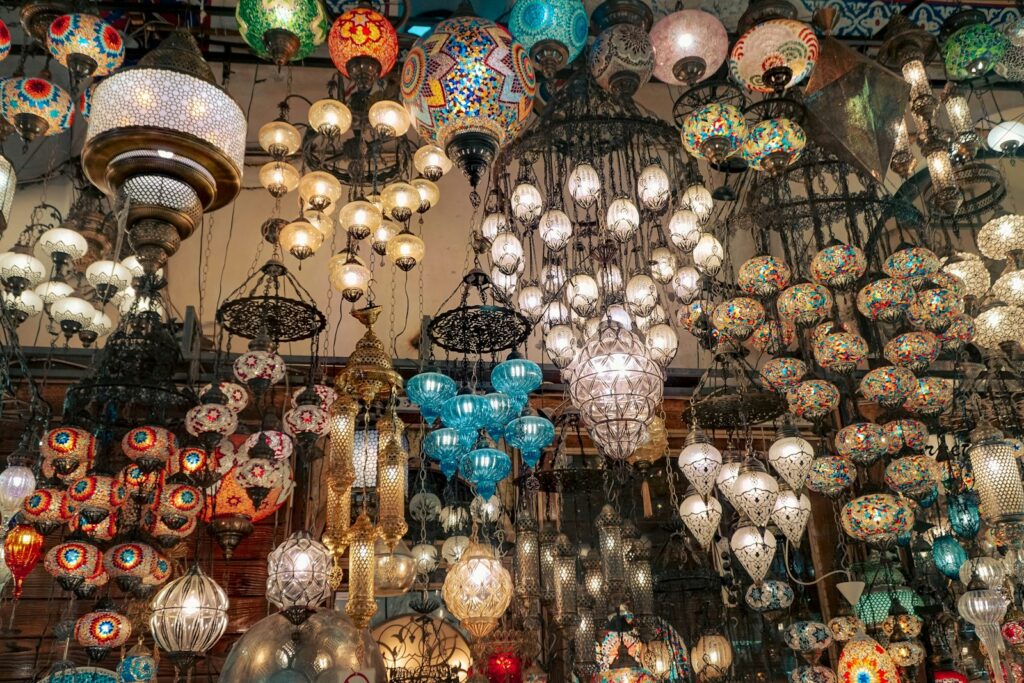
Navigating Nuruosmaniye Gate Within a Twelve Minute Walk
You can reach Nuruosmaniye Gate from Hotel Sultania in approximately twelve minutes on foot by heading southwest along Ebusuud Street toward Divan Yolu. This direct walking path takes you past historical streetscapes, including the ancient Hippodrome area and historic tram lines, making the journey an engaging sightseeing walk in itself. As you approach the grand baroque archway of Nuruosmaniye Gate, you enter Gate 1, which opens directly into Kalpakçılar Caddesi, the main broad corridor of the covered market.
Starting your journey at Nuruosmaniye Gate keeps your orientation simple. The Grand Bazaar contains over 4,000 shops across 61 vaulted streets, but entering through this eastern gate allows you to move logically westward toward Beyazıt Gate without getting disoriented in the maze of side alleys. If you are exploring the Historic Peninsula with family, stopping by neighbor properties in the Yasmak Hotel Collection can also provide helpful neighborhood insights along the way.
Rule 1 – Master the Main Artery and Street Maps
Navigating the Grand Bazaar efficiently requires using Kalpakçılar Caddesi as your central anchor line across the entire covered complex. Kalpakçılar Caddesi runs directly from Nuruosmaniye Gate on the east side straight to Beyazıt Gate on the west side. Bright street signs mounted above every intersection indicate the official street name and the traditional guild craft historically produced in that corridor.
To explore without losing your way, venture three or four shop lengths into parallel side streets like Sahaflar or Halıcılar, then return to the main spine. Keeping track of primary street names like Kuyumcular (Jewelers Street) or Fesçiler (Fez Makers Street) ensures you maintain clear geographic awareness throughout your visit. Maps are painted on tile plaques near major entrances, giving you a reliable visual check before turning into deeper lanes.
Rule 2 – Identifying Authentic Hand-Painted Ceramics and Silk Scarves
You can identify authentic hand-painted ceramics by feeling for raised quartz relief work on the surface, while genuine Turkish silk displays a soft warmth and distinct double-sided luster. Traditional Iznik-style ceramics are made from a high-quartz clay composition that feels cold and heavy to the touch. Authentic pieces feature slight variations in pattern, hand-painted signatures on the unglazed base, and raised mineral pigments in classic Ottoman colors like cobalt blue, turquoise, and coral red. Cheap factory reproductions typically have completely flat, printed surfaces and smooth plastic-like finishes.
When evaluating silk scarves, look for natural raw silk threads sourced from Bursa weaving traditions. Real hand-woven silk glides smoothly across the skin and creates slight acoustic friction when rubbed gently against itself. Local merchants will often demonstrate the authentic density of the weave by showing how light filters through the natural threads compared to synthetic polyester alternatives. Inspecting the hand-rolled edges of a scarf confirms that it was finished by an experienced artisan rather than an industrial machine.
Rule 3 – Master the Etiquette of Respectful Bargaining
Respectful bargaining in the Grand Bazaar is a social custom centered on mutual courtesy, beginning with an initial counteroffer around thirty percent below the opening price. Negotiation in Turkish commercial heritage is considered an enjoyable exchange rather than an aggressive transaction. When a shopkeeper offers you a cup of hot black tea or sage tea, accepting the gesture establishes a relaxed atmosphere for discussion. Take your time inspecting the craftsmanship before discussing numbers.
State your counteroffer calmly and politely without disparaging the object or the maker. If the price remains higher than your personal budget, you can smile, thank the merchant, and walk away smoothly. In many cases, merchants will invite you back with a revised offer, but maintaining a respectful, friendly demeanor ensures a positive cultural experience for both sides. Setting a firm maximum budget in your mind before starting the conversation keeps your shopping focused and enjoyable.
Rule 4 – Locate Specialized Alleyways for Rare Handcrafts
Rare antiques, hand-hammered copper, and intricate Ottoman silver are located inside historic stone courtyards known as hans, situated just off the main commercial arteries. Head toward Cevahir Bedesten, the domed central warehouse constructed during the fifteenth century under Sultan Mehmed II. This central hall houses specialized antique dealers who showcase vintage pocket watches, carved meerschaum pipes, authentic Ottoman coins, and restored jewelry pieces.
Another essential stop is Zincirli Han, accessible through a narrow archway near the carpet quarter. This two-story courtyard features red-brick arcades, peaceful stone benches, and working artisan workshops on the upper level where jewelers hand-set stones and goldsmiths preserve centuries-old techniques away from the main crowd noise. Exploring these quiet courtyards offers a glimpse into how medieval trade guilds operated across centuries of imperial rule.
Rule 5 – Time Your Visit to Avoid Crowds and Heat
Planning your visit for early morning right after opening hours provides the calmest environment for shopping and interacting with local merchants. During the first two hours of the business day, shopkeepers prepare their displays and greet the morning with freshly brewed Turkish coffee. Visiting during this morning window allows you to browse quietly before large tour groups arrive around midday.
When you feel ready for a dining break after several hours of walking, take a short stroll outside the bazaar gates into Sirkeci. For lunch or dinner in the Historic Peninsula, you can visit Olive Anatolian Restaurant, where you can enjoy regional Anatolian dishes alongside dedicated vegan and vegetarian menus while looking out over city landmarks. Resting over a nutritious meal energizes you for an afternoon of museum sightseeing or leisure walks through Gulhane Park.
Returning to Hotel Sultania Suites for Evening Wine and Cheese
Returning to your spacious suite at Hotel Sultania after navigating the grand halls provides immediate comfort and tailored leisure service. After spending hours exploring 61 covered streets and carrying your artisanal purchases, unwinding in a comfortable room makes your day complete. Guests staying in a luxury Sultan Suite Room enjoy generous layout dimensions of 57 square meters, elegant Ottoman-inspired architectural accents, and luxurious marble bathroom features designed for complete physical restoration.
To celebrate a successful day of treasure hunting, you can arrange a delightful Wine & Cheese experience delivered straight to your room. As highlighted by the Hotel Sultania team, pairing regional Turkish boutique wines with artisanal local cheeses offers the ideal evening ritual before resting for your next day of Old Town exploration.
| Shopping Zone / Courtyard | Primary Craft Focus | Authenticity Indicator | Walking Distance from Nuruosmaniye |
|---|---|---|---|
| Kalpakçılar Caddesi | Gold and fine jewelry | Official carat hallmark stamps | 0 minutes (At Entrance) |
| Cevahir Bedesten | Antiques and vintage artifacts | Artisan signatures and historic documentation | 4 minutes walk |
| Zincirli Han | Handcrafted silver and gems | Live metalsmithing in upper workshops | 6 minutes walk |
| Sahaflar Çarşısı | Rare books and calligraphy | Traditional marbling paper techniques | 8 minutes walk |
Navigating the Grand Bazaar efficiently comes down to understanding its layout, respecting traditional craftsmanship, and giving yourself time to absorb the atmosphere. By starting your journey at Nuruosmaniye Gate and returning to the comfort of your historic boutique retreat, you transform a hectic shopping trip into a memorable cultural journey through Istanbul.
Frequently Asked Questions
How far is the Grand Bazaar from Hotel Sultania on foot?
The Grand Bazaar is approximately a twelve-minute walk from Hotel Sultania. Guests walk southwest past the Gulhane area along Divan Yolu straight to Nuruosmaniye Gate. The walking route passes historic city monuments along paved pedestrian streets.
What is the best gate to enter the Grand Bazaar for first-time visitors?
Nuruosmaniye Gate is the best entry point for first-time visitors arriving from Sultanahmet. It opens directly onto Kalpakçılar Caddesi, the main central street running straight across the entire covered complex. This straight path makes navigation simple and stress-free.
How can I tell if ceramics in the Grand Bazaar are genuine Iznik style?
Authentic Iznik-style ceramics are made from quartz clay, making them cool and heavy to the touch. Look for hand-painted signatures on the unglazed base and raised mineral pigments. Machine-printed imitations have flat surfaces and uniform plastic glazes.
What is the customary approach to bargaining in the Grand Bazaar?
Bargaining begins by offering roughly thirty percent below the initial price quoted by the merchant. The conversation is polite and friendly, often conducted over a cup of Turkish tea. If the final price exceeds your budget, you can politely decline and walk away.
What time of day is best for shopping in the Grand Bazaar?
Early morning right after opening is the best time to visit the Grand Bazaar. Corridors are quiet, shopkeepers are rested, and you avoid midday tour crowds. Early morning browsing allows for comfortable conversations with traditional craftsmen.
Where can travelers find authentic silk scarves in Old Town Istanbul?
Authentic silk scarves woven from natural Bursa silk are found along Halıcılar Street inside the Grand Bazaar. Genuine silk displays natural light variations and soft friction when rubbed. Merchants will readily demonstrate the weave quality compared to synthetic fabrics.
Where should guests dine near the Grand Bazaar for vegan and regional Anatolian cuisine?
Guests can dine at Olive Anatolian Restaurant located nearby in Sirkeci. The restaurant offers traditional Anatolian regional recipes alongside dedicated vegan and vegetarian menus. Its rooftop vantage point features scenic views over the Historic Peninsula.
What are the standard check-in and check-out times at Hotel Sultania?
Check-in at Hotel Sultania begins at 14:00, and check-out is available until 12:00 noon. The front desk staff operates 24 hours a day in English, Turkish, and Russian to assist with luggage storage and airport transfers.
Photo: Aleksandar Popovski — Unsplash