

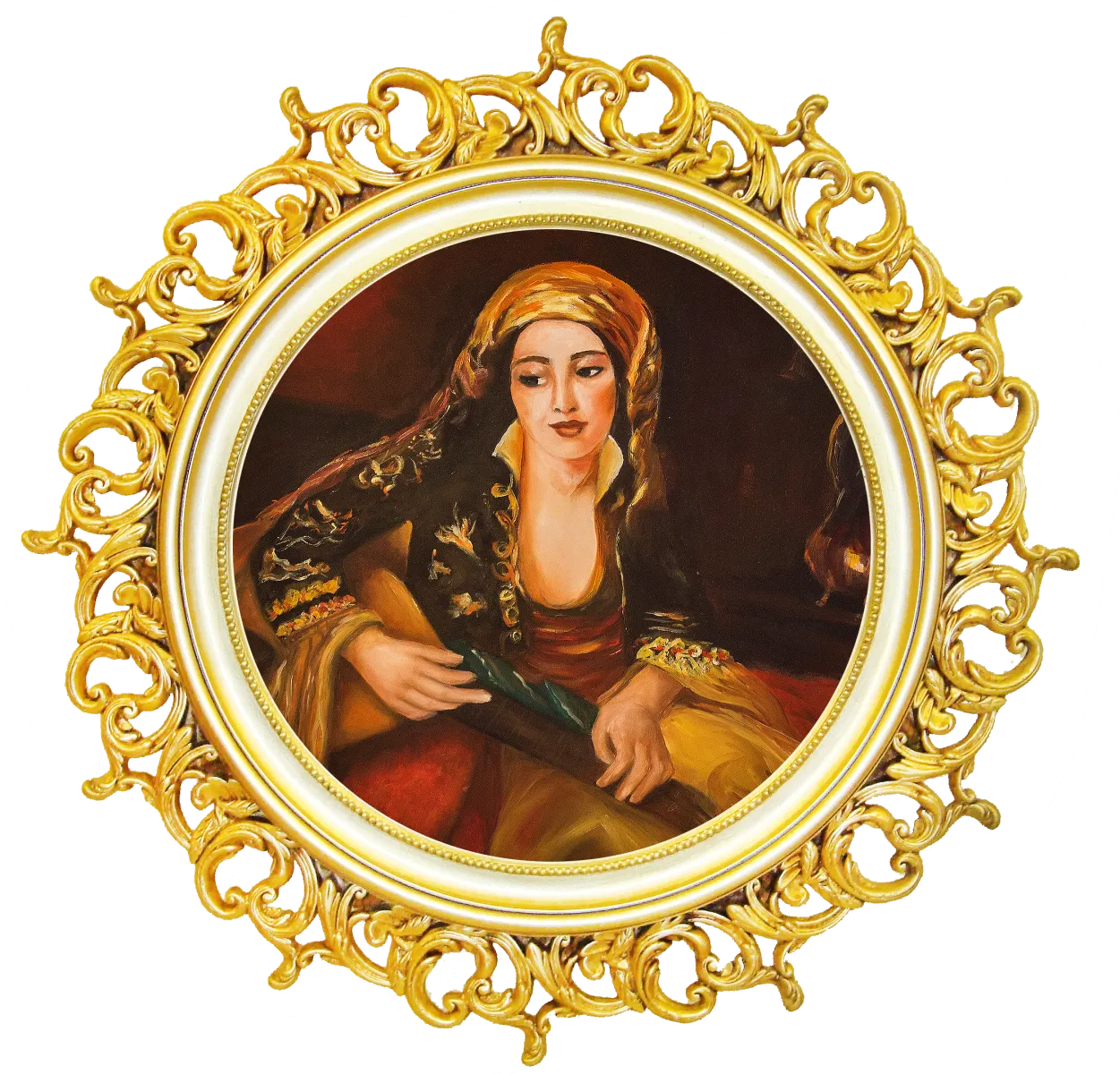
Fatima Sultan
It is another phantasmagoric Istanbul sunset. It colours the sky in all shades of orange and red, while the waters of the Bosphorus reflect elongated shadows in wavelets of purple. The sun shoots a final salvo of flames and then sinks into the wet horizon like spent silver. The villages along the shore seem ghostly in the twilight.
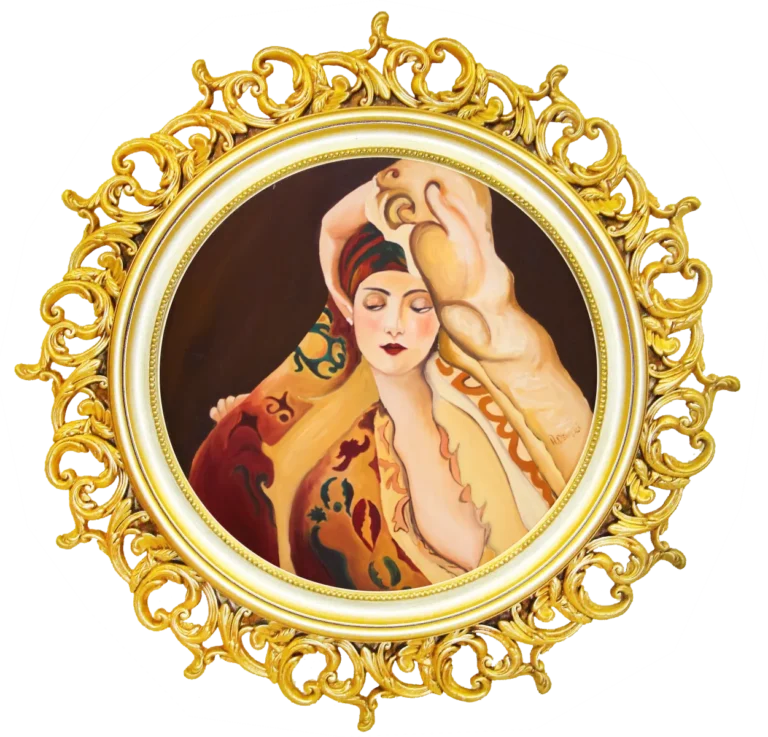
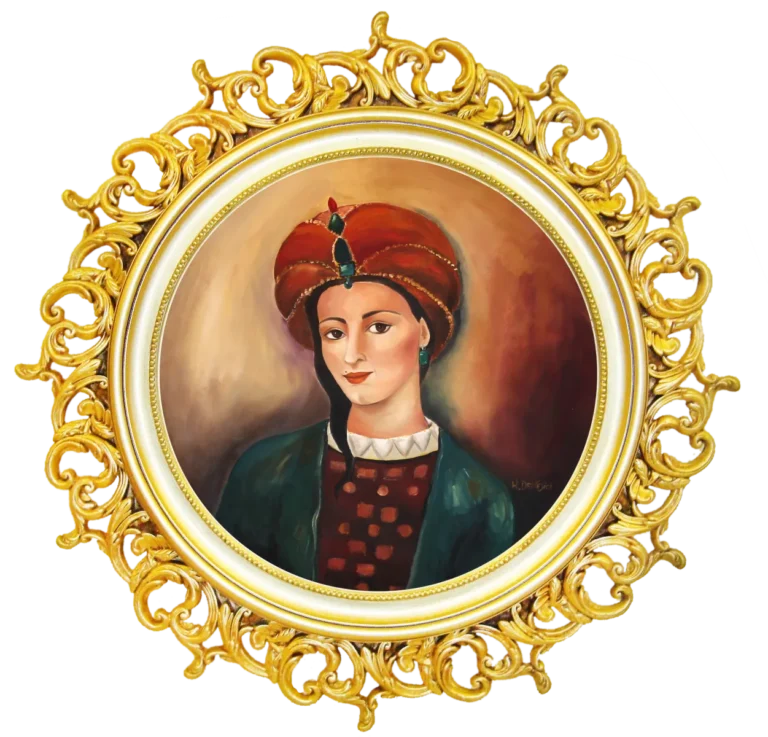
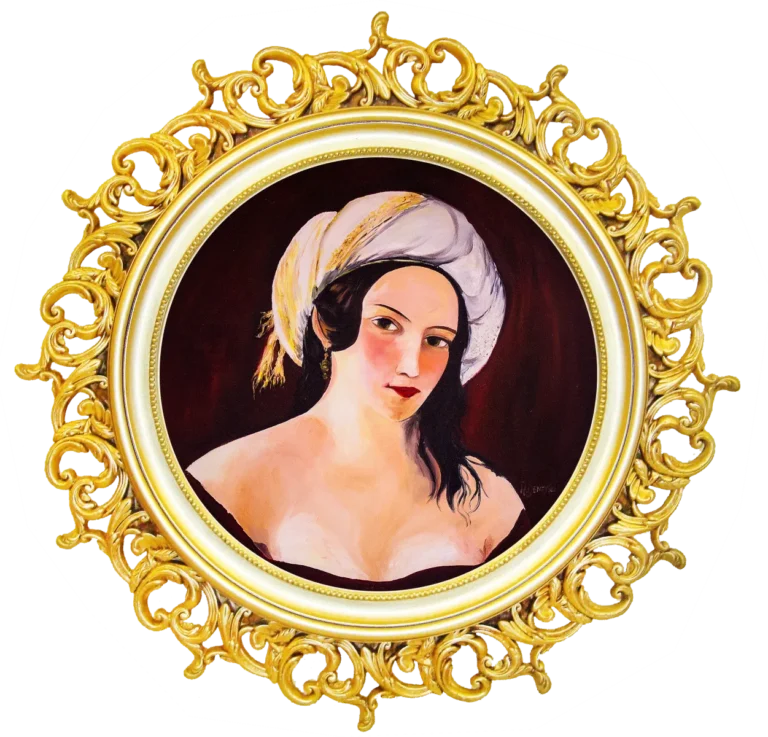
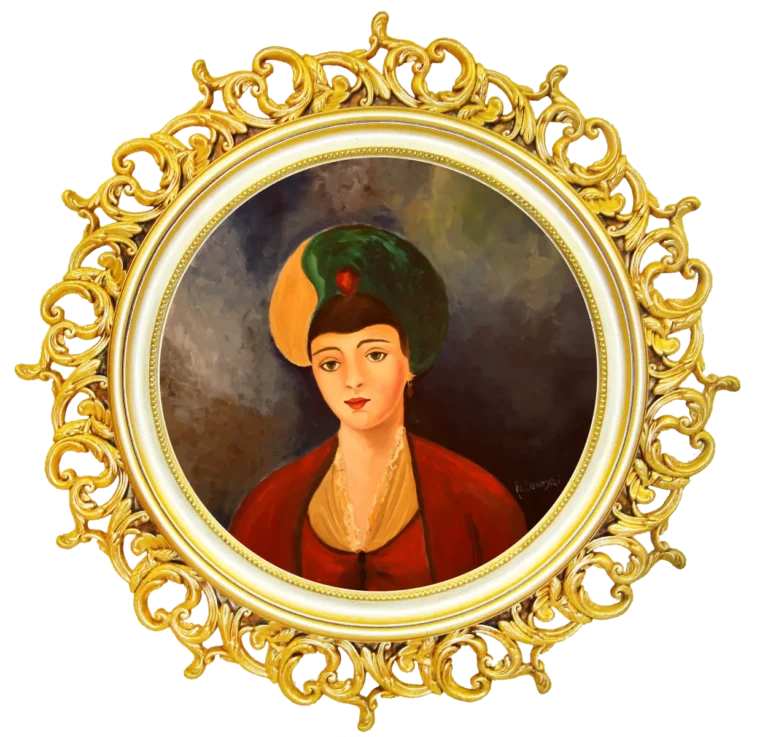
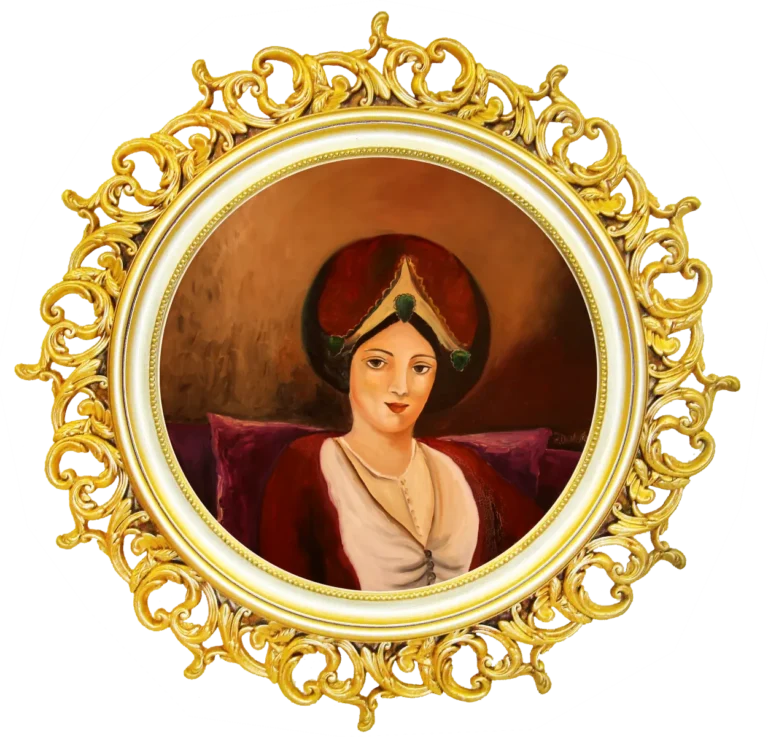
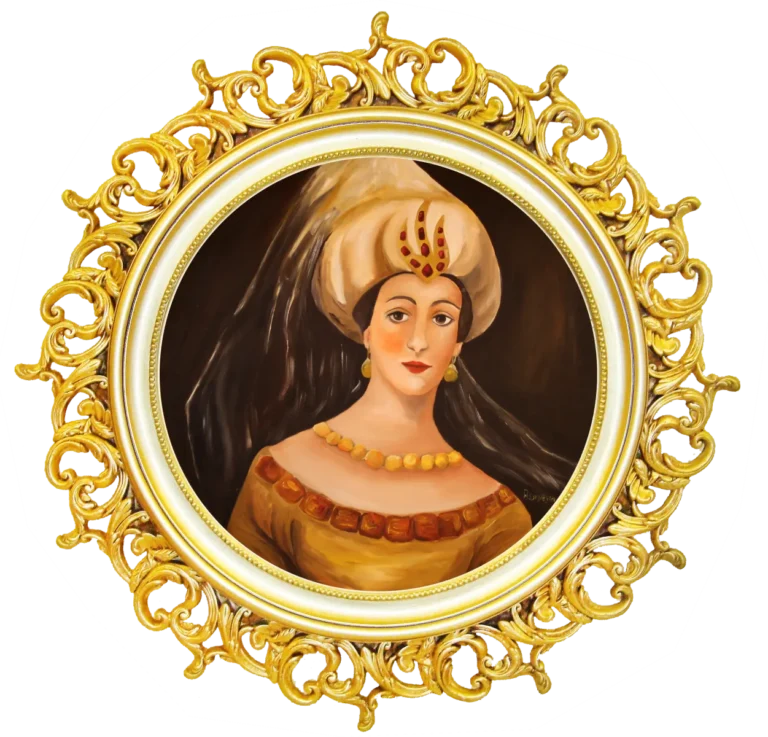
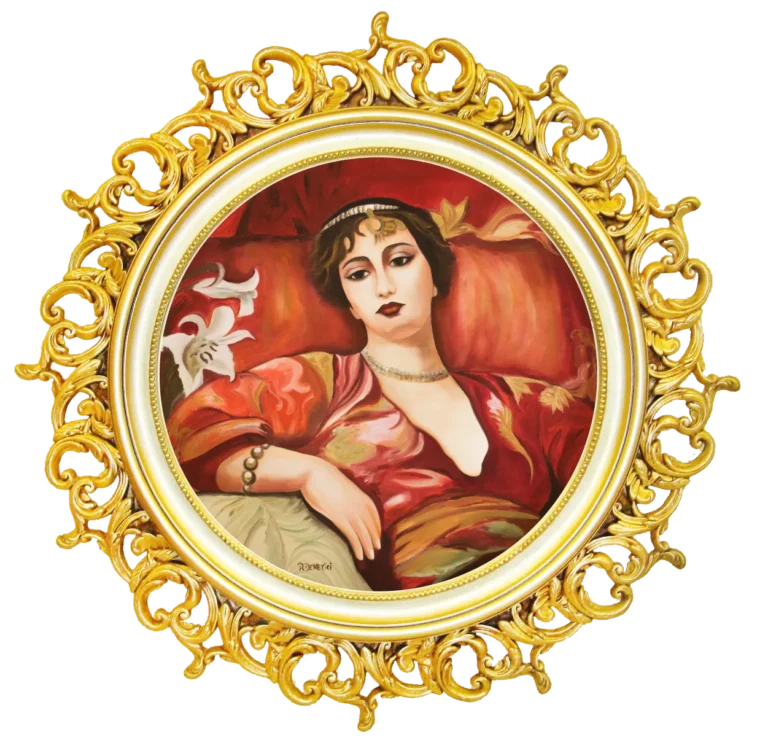
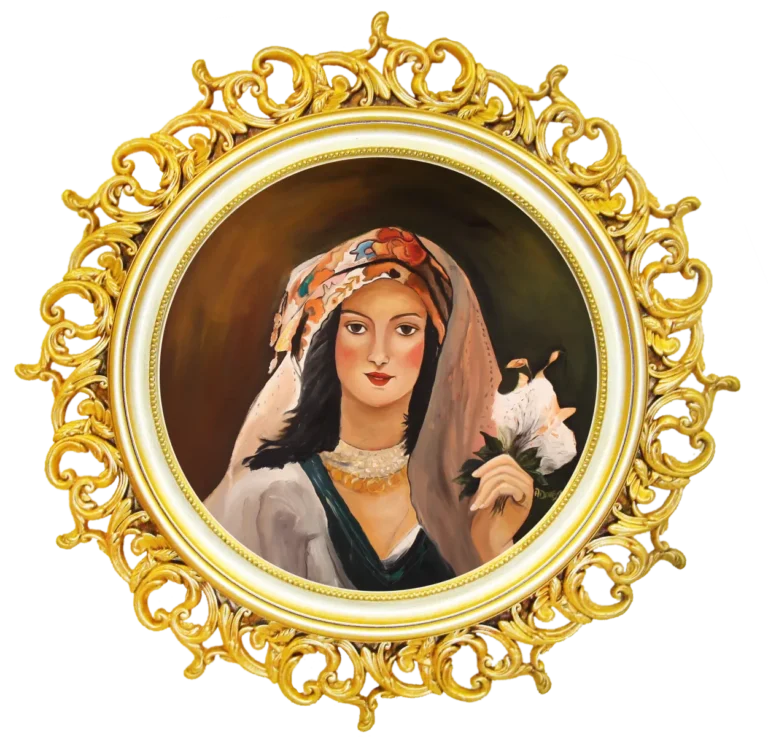
Fatma Sultana, overawed by the fiery spectacle and its aftermath, feels as if she too has melted into the sky. Fatma, a Caucasian by birth, is best remembered for her love of roses. A lot like a rose herself, with her blushed cheeks and full red lips, she was nicknamed Gülistû (rose-garden). She is wearing a lilac-coloured velvet caftan decorated with roses embroidered in golden yarn.
It is of the finest quality as befits her station in life. The sunset colours have given way to night with only the sparkles of the Sultana’s diamond-encrusted hair-ornament to illuminate the darkness in the room. She approaches the window and admires the new moon, a diamond-like thin crescent that winks at her from above. Her heart is heavy.
She longs for her beloved husband Abdülmecid Khan. She smiles bitterly, thinking: “Love is magic. It’s not something you can control. No one falls in love willingly.”
Fatma’s devotion to her husband is endless. She feels enchanted by the alchemy of this love but she cannot understand it. Fatma Gülistû Sultana, whose son Vahidettin became the last of a long line of Ottoman Sultans, passed away with love still in her heart in the month of May, 1861, when she was only thirty-one years old and Istanbul was awash in roses.