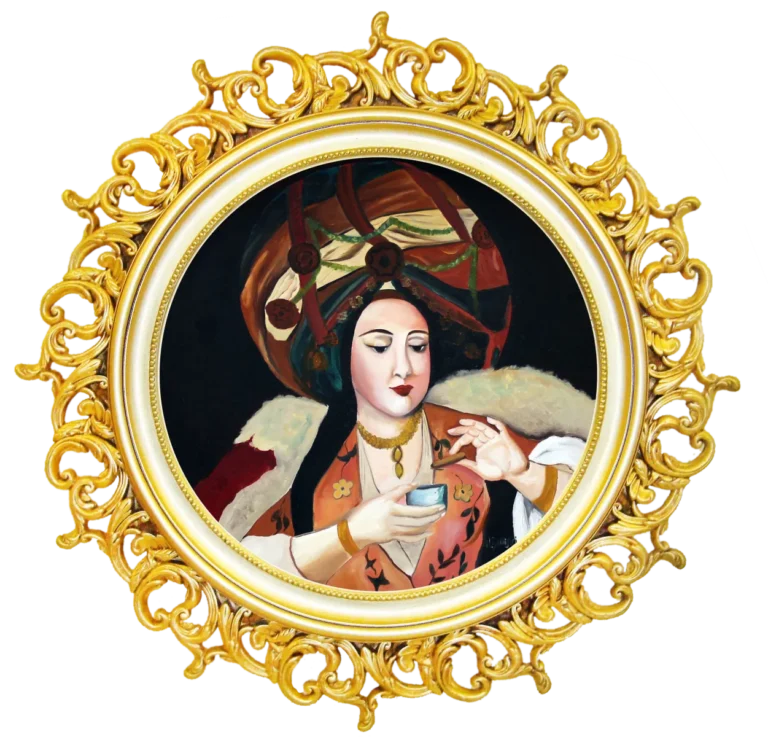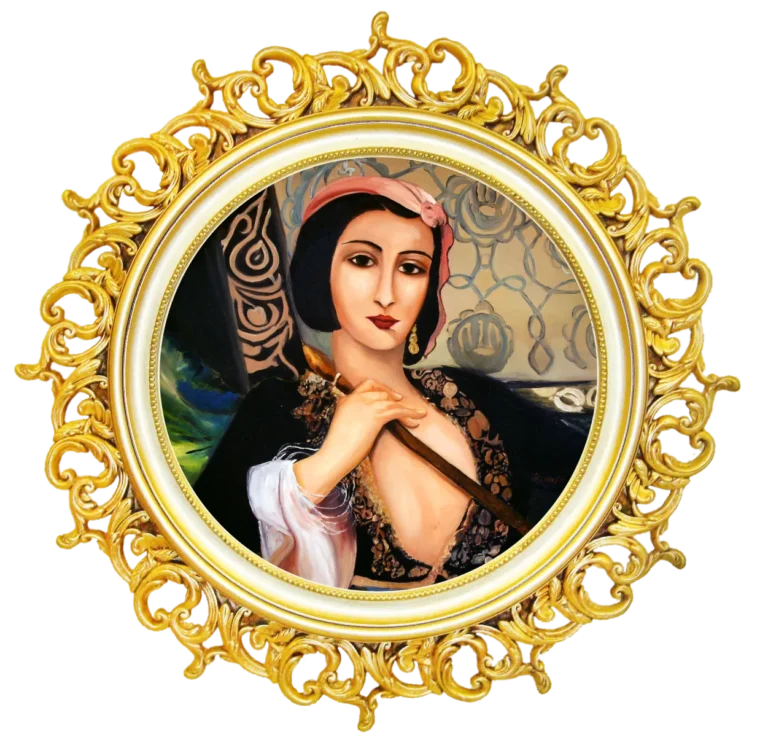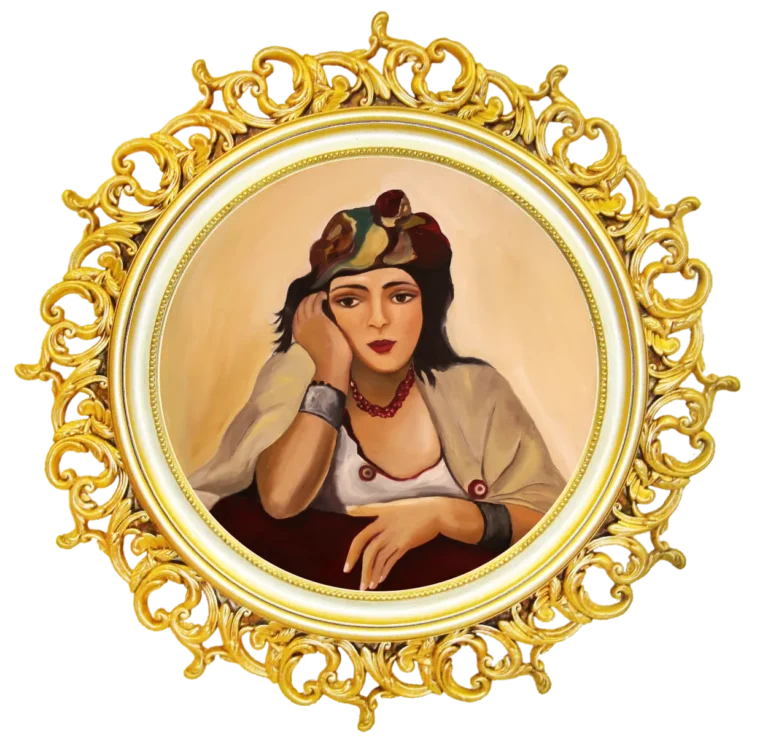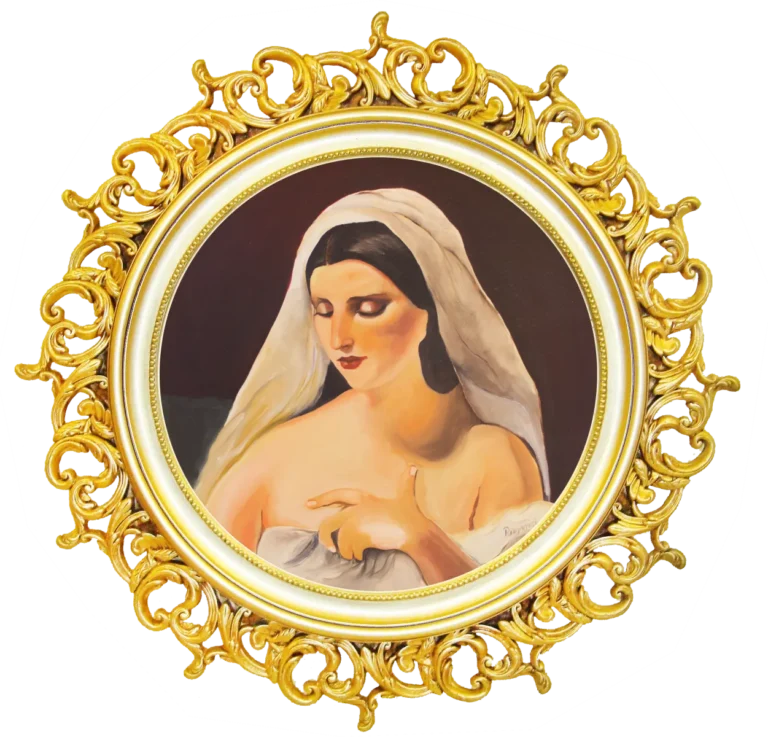


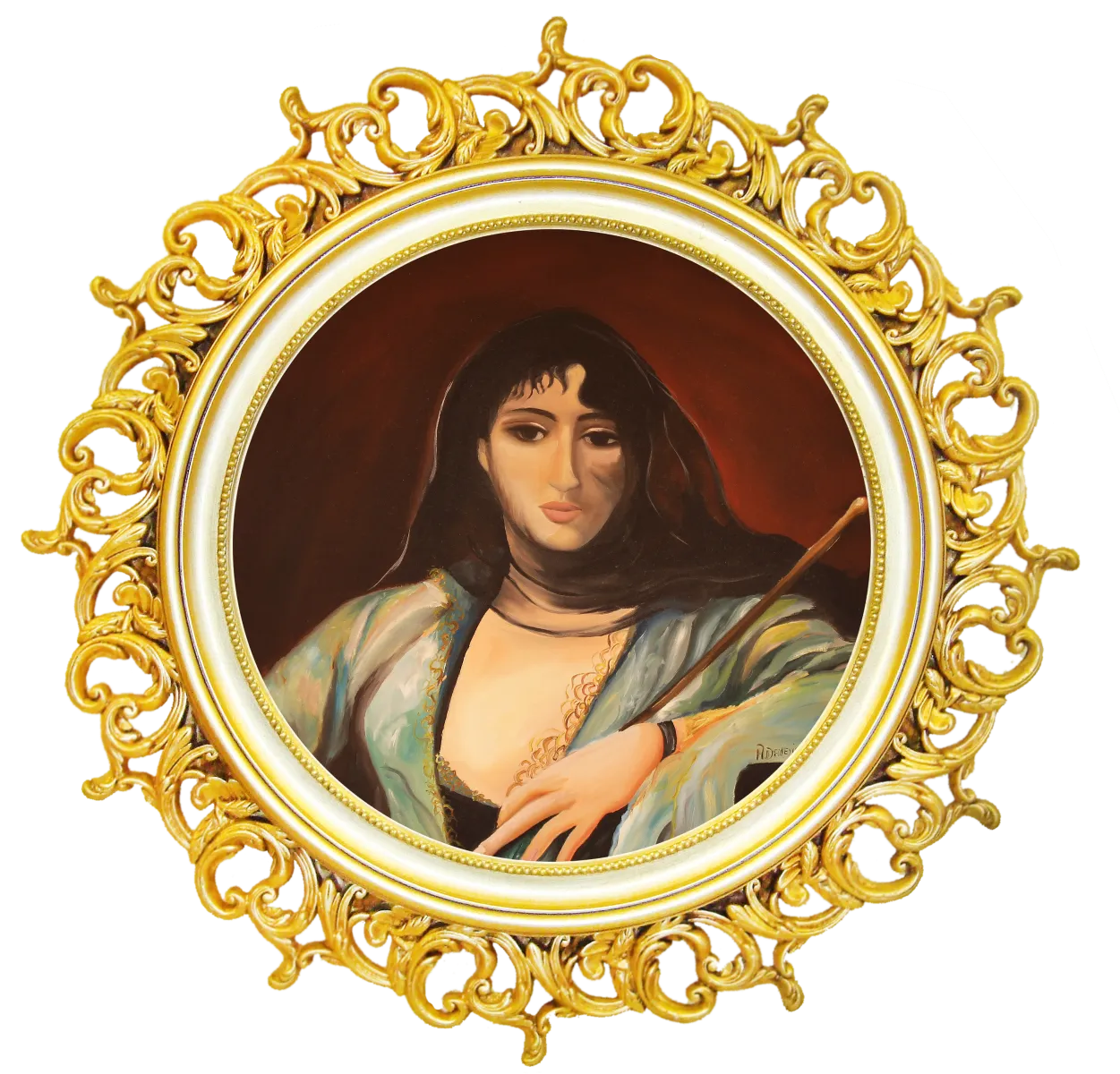
Mehpare Sultan
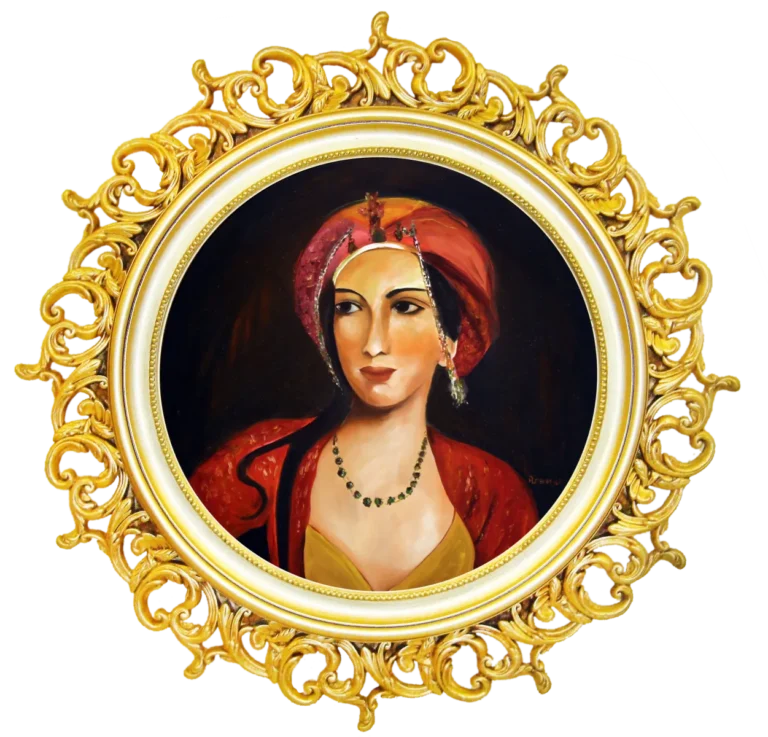
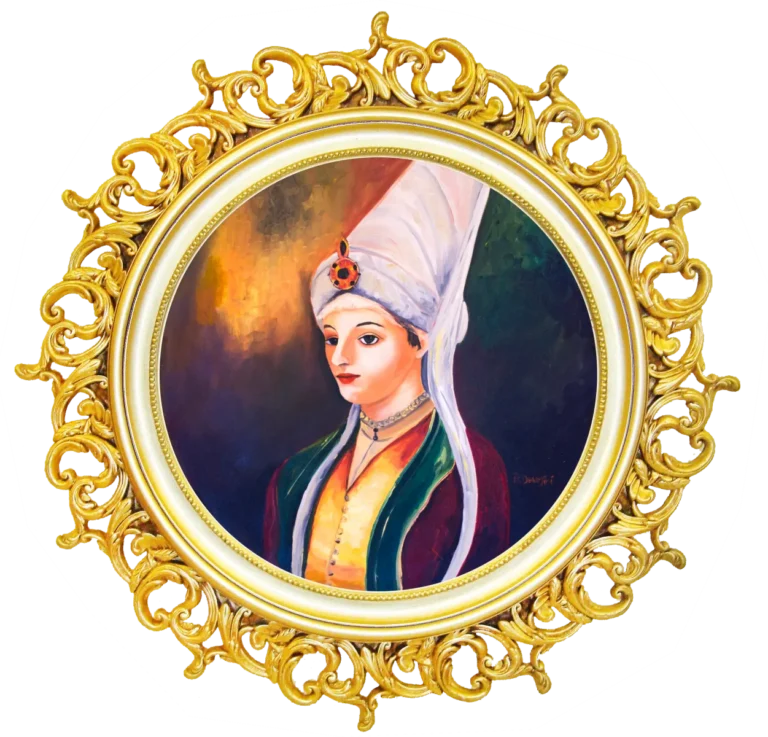
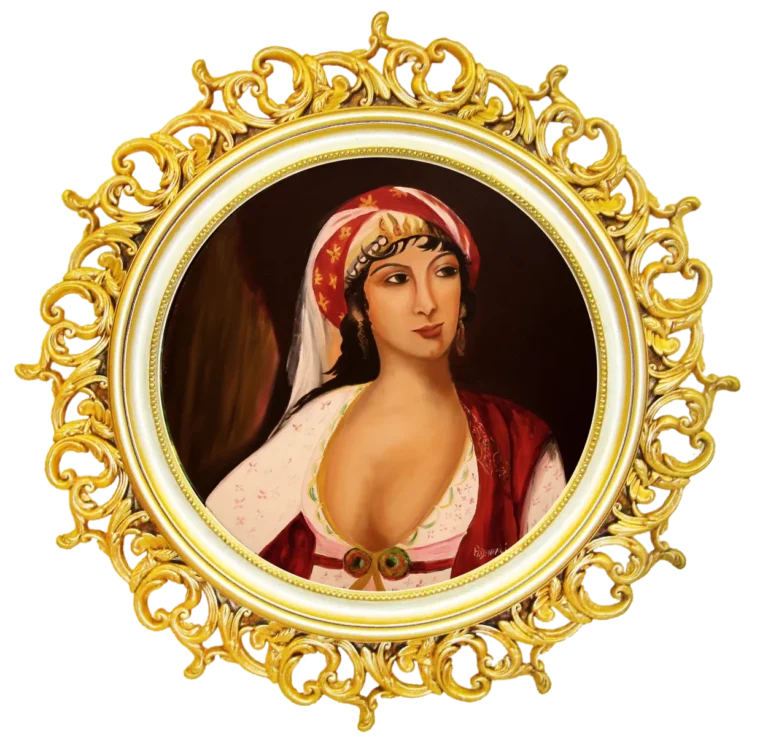
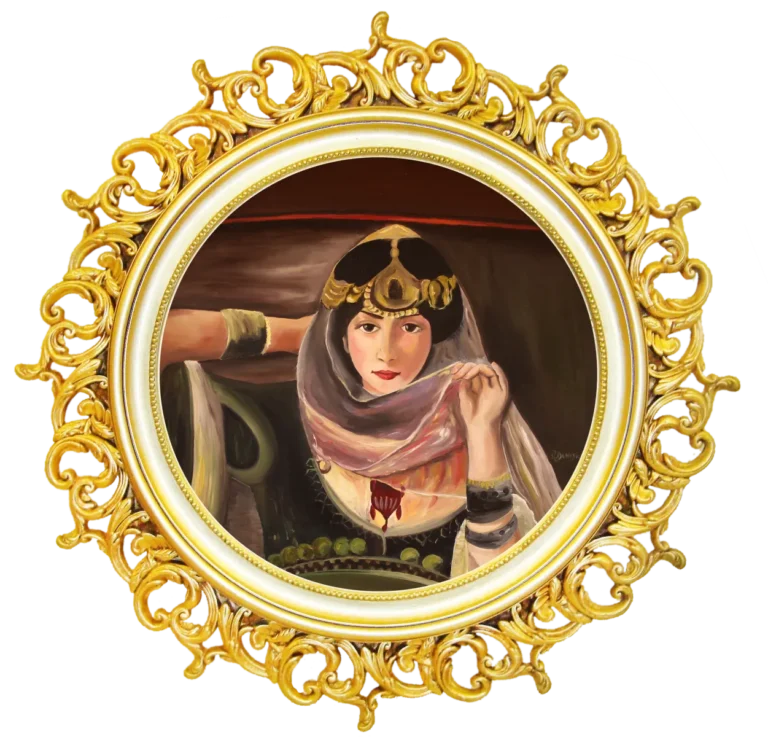
The sky is dark and ominous. Thick black clouds are being driven across the firmament by stormy winds. Stinging rain- drops rattle the palace windows. The walls of Valide Mehpare Sultana’s apartment are inlaid with florally designed tiles. Thick yellow velvet curtains hang on the windows. Mehpare, now in her forties, is as beautiful as a rose in full bloom.
She draws the curtains and gazes out towards Topkapi Palace with teary eyes. The letter she holds in her elegant hands is soaked with her tears. She closes her eyes and remembers her childhood on Crete. The wings of her imagination carry her next to her first days in the harem, where they renamed her Mehpare, meaning “a slice of the moon”. They also called her Gülnûş because her face was like a rose blossom. It was not long afterwards that she married Sultan Mehmed IV and set out with him to mountain forests for riding and hunting.
They toured the Balkan cities that were part of their empire. They visited the Thessalia Region in a silver coach and in the Dimetoka Palace they lodged along with their one-year old son Mustapha. Many years followed during which she lived with all the honours befitting a queen and first wife and mother of the crown-prince. But in 1687, her destiny changed catastrophically. Her husband was violently dethroned and imprisoned in Topkapi Palace, while she was kept in isolation, away from the court and any position of influence. The Sultana sighs with unbearable sadness, and re-reads for the thousandth time her husband’s last and only letter: “Oh, my Gülnûş, my Mehpare, who must now wear black for her king and husband.
I am alive but would be better off dead. I feel your deep sorrow in my broken heart every time you sigh. I cry in a corner of my cell. I am no longer Sultan Mehmed, emperor of the Ottomans, I am now but a pitiable beggar, condemned forever to live my life in the dark without you, my love, my beautiful rose.” Mehpare Sultana found refuge from her sorrow in public works. She commissioned and financed many institutions for the betterment of her people.
Among others, she built a school, a university, a fountain and an alms house near Yeni Mosque, and the same in Üsküdar. Her memory is cherished to this day.