

Dilaşub Sultan
The heat wave of midsummer 1641 was more intense than any in memory. For weeks on end sunshine cascaded down from the sky in waves of angry flames turning Istanbul into a scorching furnace. The citizens, desperate for a cooling breeze, find shelter in the shade of ancient plane trees that have spread their leafy branches over entire squares. They listen to the music of tambours and reed-flutes being played in the harem. The melody is the lilting and sensual “Mahur”, a prelude composed by Gazi Giray Han. It excites souls and arouses appetites despite the stifling heat.
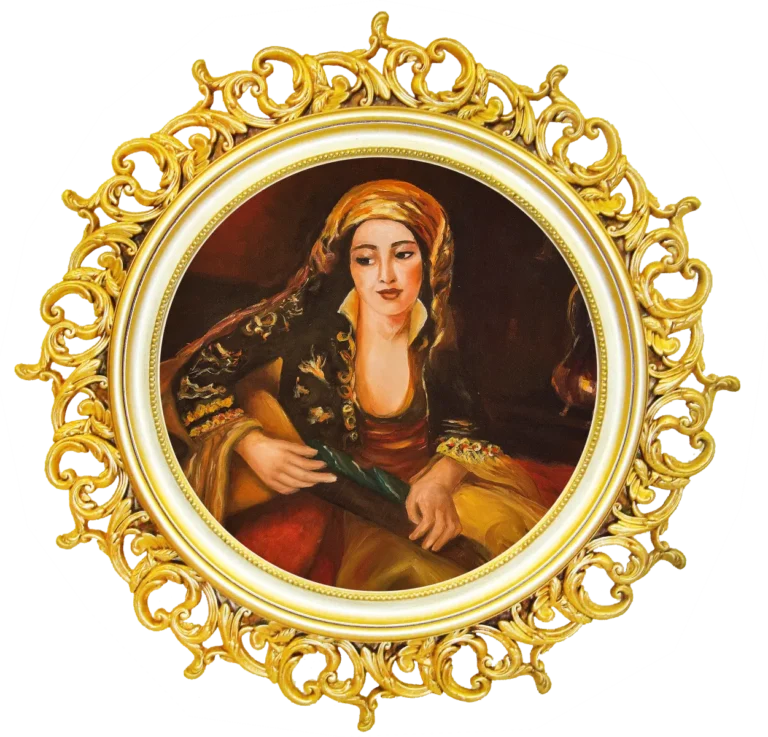
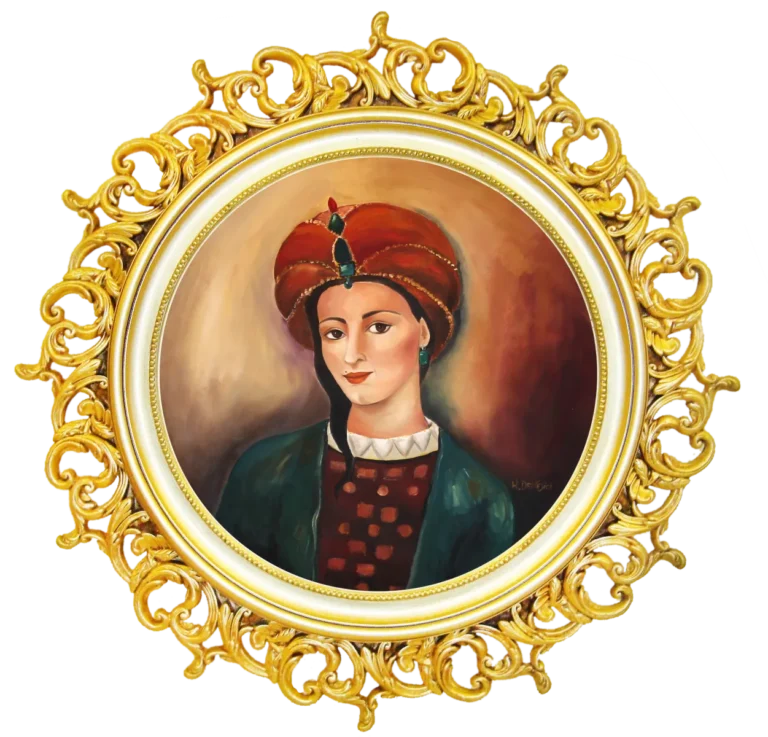
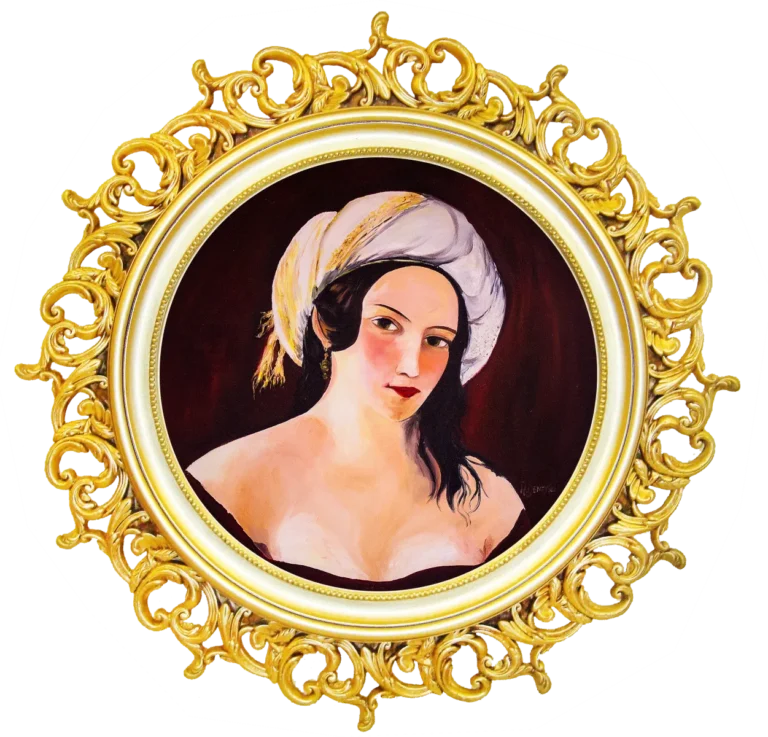
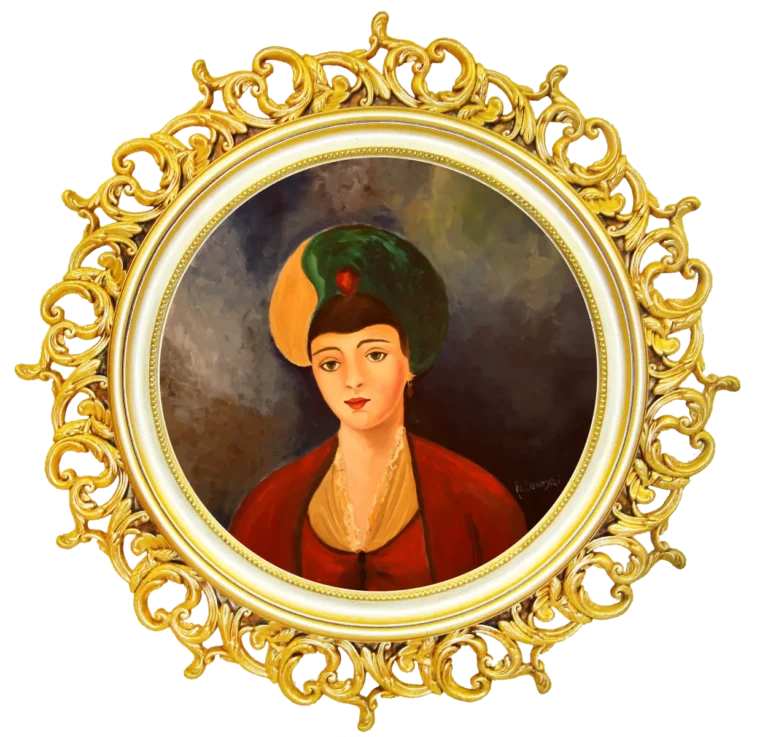
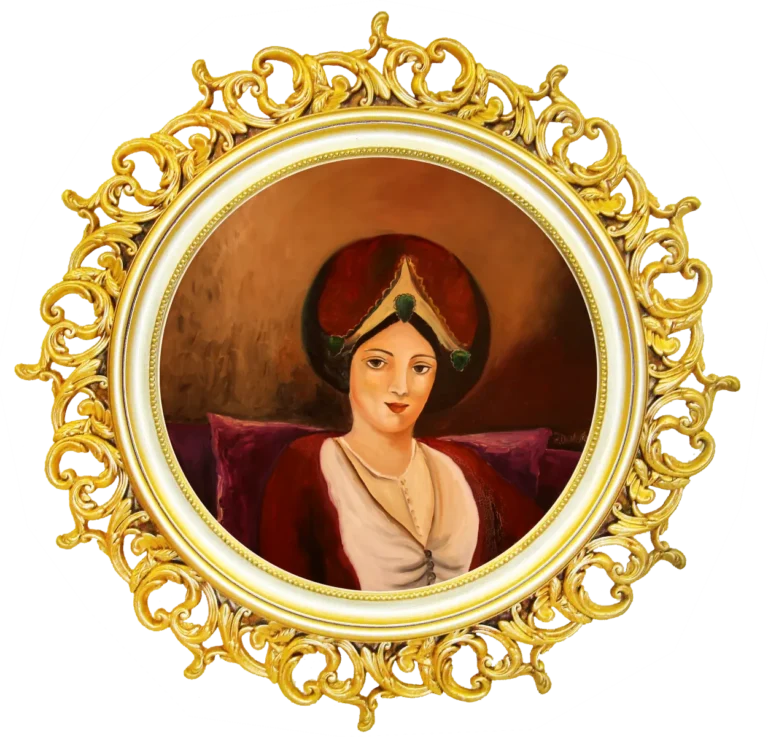
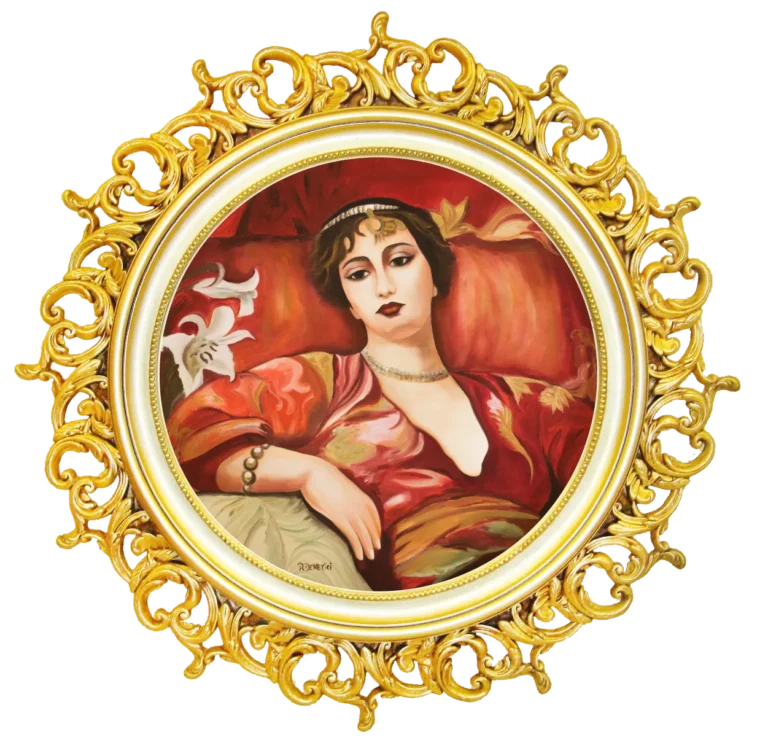
Dilâşub Sultana is of Crimean origin. She has crossed her legs and tugged them under the hem of her white, large-sleeved chemise. She holds one of her hands on her knee in a royal gesture. She has unbuttoned her florally printed dress down to her cleavage in an effort to cool off. Her caftan, with the yellow prints on a red background, sits lightly on her shoulder. The diamonds on her purple crest dazzle the eye as they reflect the sun’s rays.
The odalisque attending the Sultana offers scant comfort with an ornate fan. Dilâşub’s emerald-green eyes glance again at the letter that she has put down on the mother-of-pearl inlaid coffee table. She has read its message countless times already, but it still fills her with joy, brightening her face with contentment, making the heat entirely tolerable. It is from her husband, Sultan Ibrahim, the sovereign of all the Ottomans. “My beautiful Dilâşub! I am your slave, your most devoted servant.
My love has no bounds. I surrender my body and soul and heart to you. I am at your mercy. It feels as if I would die without you. My prayer is that you come to me tonight. To love me and be mine.
I am desperate for you.” Dilâşub has roused such great passion in İbrahim’s heart, that his only happiness is to embrace her and be embraced by her.